Asylum-Seeking Women Face Rising Risks, Indian NGO Warns at UNHRC
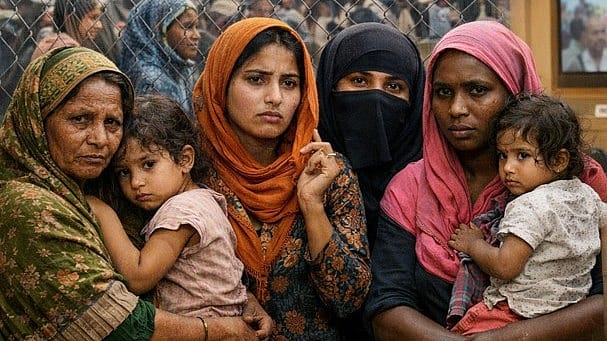
At the United Nations Human Rights Council, Sambhali Trust representatives highlighted the vulnerabilities of asylum-seeking women and minorities, urging gender-responsive policies, stronger protections, and global cooperation to ensure dignity, safety and equal opportunities.
Why are asylum-seeking women and girls at heightened risk?
At the 61st session of the United Nations Human Rights Council in Geneva, Govind Singh Rathore, Founder of Sambhali Trust, brought global attention to the urgent challenges faced by asylum-seeking women and girls.
Speaking during General Debate 5 at the United Nations Office in Geneva, Rathore highlighted the severe vulnerabilities faced by displaced women, including exposure to violence, exploitation and the disruption of education and livelihoods. He stressed the pressing need for immediate human rights interventions to address these risks.
What role do grassroots organisations play on the ground?
Rathore also showcased the work of Sambhali Trust, underlining its role in providing safe spaces, education, counselling and livelihood opportunities to affected women and girls.
He emphasised that grassroots organisations are critical in delivering real, on-the-ground support to vulnerable communities, often bridging gaps left by larger institutional frameworks.
How has India supported asylum-seeking populations?
In his address, Rathore commended India's efforts in assisting displaced and asylum-seeking populations, particularly those from Pakistan.
He pointed to initiatives that enable access to basic services, identity documentation, and inclusion in education and healthcare systems, highlighting these as important steps toward integration and dignity.

Youth Issue 2026
24 Apr 2026 - Vol 04 | Issue 68
50 Portraits of Icons and Achievers
What global action is needed now?
Calling for collective responsibility, Rathore urged countries to adopt gender-responsive asylum frameworks, expand access to essential services, and strengthen support systems for local organisations.
He stressed that ensuring safety, dignity, and opportunity for asylum-seeking women and girls must remain a global priority.
Why are minority rights central to global stability?
Earlier, Tasha Mauricette Stoppler from Sambhali Trust, speaking during the Special Rapporteur on minority issues, highlighted the urgent need to safeguard minority rights.
She stated that equality, social cohesion, and sustainable peace remain unattainable without inclusive protections for vulnerable communities.
What challenges do minorities continue to face globally?
Stoppler highlighted that minorities across the world continue to face systemic discrimination in access to education, livelihoods, housing, and justice.
These inequalities, she noted, leave them disproportionately exposed to marginalisation, exclusion, and violence.
How do structural barriers impact lives at the grassroots level?
Drawing from grassroots experience in Rajasthan, Stoppler shared insights from Sambhali Trust's work with women and girls belonging to marginalised and minority communities.
She emphasised that the organisation witnesses daily how structural barriers shape lives and limit opportunities.
Through interventions such as education programmes, psychosocial support, safe shelters, and livelihood centres, Sambhali Trust seeks to rebuild confidence and restore dignity among these women.
(With inputs from ANI)