850 Lok Sabha Seats? What the Government’s Big Plan Means
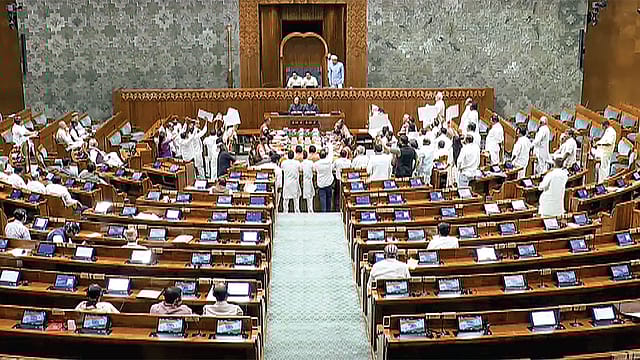
India may be heading toward one of its biggest electoral changes in decades, with the Centre proposing a sharp increase in Lok Sabha seats—from 543 to 850. The move, according to a report, is closely tied to implementing women’s reservation and has already sparked political debate.
What is the proposal and why now?
According to sources, the government plans to expand the Lok Sabha to 850 seats, with 815 allocated to states and 35 to Union Territories. This proposal is linked to the rollout of the Nari Shakti Vandan Adhiniyam, 2023, which mandates 33 per cent reservation for women in Parliament and state assemblies.
The government is expected to bring a Constitution amendment bill during a special Parliament sitting scheduled for April 16–18. The session will also discuss amendments to the women’s reservation law and a proposed delimitation bill.
At present, the Lok Sabha has 543 seats, and any increase would require redrawing constituency boundaries, an exercise known as delimitation.

Zeroing In on ECI
09 Oct 2026 - Vol 05 | Issue 41
Constitutional legitimacy versus political opportunism
How does this connect to women’s reservation?
The expansion is seen as a structural step to ensure smoother implementation of women’s reservation starting with the 2029 general elections.
Prime Minister Narendra Modi has strongly pushed for early implementation, urging political consensus.
“After four decades of anticipation, Parliament passed the Nari Shakti Vandan Adhiniyam. This has ensured 33 per cent reservation for women in the Lok Sabha and state assemblies. All parties came forward to support this important law. The rights that women have now received should not face any delay in implementation. It should be implemented now. Lok Sabha elections will be held in 2029, followed by the ongoing state assembly elections. It should be implemented before 2029. This is the sentiment of the nation. This is the desire of Nari Shakti,” he said at an event in Dehradun.
He further added, “Let all political parties come together and advance this work concerning the rights of the country's sisters and daughters with a unanimous consensus.”
Why is delimitation controversial?
Delimitation determines how seats are distributed across states based on population. This has raised concerns, especially among southern states, which have historically controlled population growth more effectively than some northern states.
Opposition parties argue that a fresh delimitation exercise could reduce the relative representation of southern states in Parliament.
They have also criticised the timing, alleging that the government is rushing the process before conducting a fresh Census.
What are southern states saying?
Tamil Nadu Chief Minister M. K. Stalin has emerged as one of the strongest critics of the proposal.
He alleged that the Union government intends to “bulldoze” a Constitutional amendment without adequate consultation with states.
Stalin warned that Tamil Nadu would launch a massive agitation if the state's interests are harmed or if southern states are disproportionately affected.
What happens next?
The upcoming special session of Parliament will be crucial. If the Constitution amendment and delimitation proposals move forward, India could see a significantly expanded Lok Sabha by 2029—reshaping political representation and gender balance in one of the world’s largest democracies.
(With inputs from ANI)