Lights. Camera. Algorithm: Hollywood’s AI Identity Crisis Has Begun
Someone hit generate. Hollywood hit pause. Why? Not because it wants to. Because it has to.
The images are already out there—fan-made trailers, synthetic faces and familiar voices doing unfamiliar things. You scroll, you blink, you double-check. Real? Not real? Somewhere in between? That uncertainty is the new opening scene.
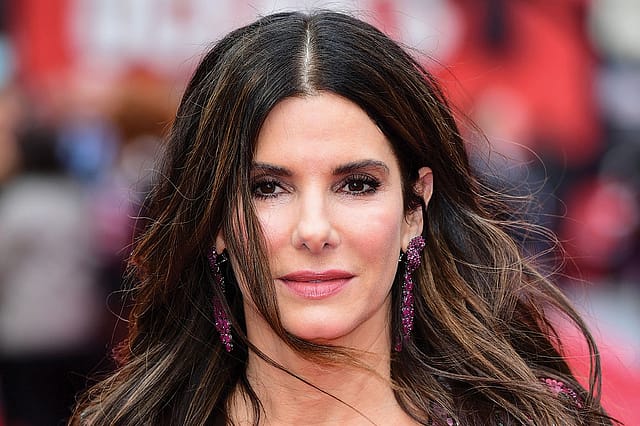
And right in the middle of this slightly surreal moment stands Sandra Bullock—equal parts amused, aware, and a little wary. “Well, there could be worse with my image. Sorry,” she joked, reacting to AI-generated content floating around her upcoming film.
The laugh lands. But she doesn’t stay there. Behind the humour sits a clear read of where things are headed—and how little control anyone really has over it. “But it’s here. We have to observe it. We have to understand it. We have to lean into it… use it in a really constructive and creative way, make it our friend.”
The Identity Project
11 Sep 2026 - Vol 05 | Issue 37
Amit Shah leads the mission for a national demographic correction
That word—friend—feels like a stretch. Maybe even a gamble. Bullock doesn’t say it without a warning attached. “We have to be incredibly cautious… there are people who will use it for evil and not good.”
And just like that, the tone flips. Welcome to Hollywood’s current AI mood: curiosity, excitement, anxiety—playing out in the same sentence.
The timing isn’t accidental. Bullock is set to reunite with Nicole Kidman for Practical Magic 2, a sequel that’s already generating buzz—some of it officially released, some of it stitched together by fans using AI tools. The line between studio and audience has started to blur, and not everyone is sure where it should be redrawn.
Inside the industry, the reaction is just as conflicted.
Pam Abdy, co-chair and CEO of Warner Bros Motion Pictures, captures that tension neatly: “I know it’s not great, but it’s also exciting… people want to come and play with the movie.” Not great. Also exciting.
That’s the paradox. AI is doing something Hollywood has always wanted—pulling audiences deeper into the story, turning passive viewers into active participants. But it’s also doing something Hollywood fears—loosening control over its own creations. Who owns a face when it can be replicated? Who controls a story when anyone can remix it? Where does creativity end and manipulation begin? The questions don’t wait for answers. They multiply.
And outside the studio system, the gap is already visible.
Reese Witherspoon recently ran a quick, almost casual experiment—asking members of her book club about AI. Ten women. Three using it. One confident she knew what she was doing. That’s a drop-off. “If you don’t get a little bit of understanding from the very beginning, it just speeds past you,” she said.
Speeds past you. That might be the most honest description of AI right now—not just in Hollywood, but everywhere.
While the industry debates tone and ethics, the technology is already moving. Faster tools. Better outputs. Fewer barriers. What felt experimental a year ago now feels… normal. Or at least, unavoidable.
Even policy is scrambling to catch up. The industry body SAG-AFTRA has backed an AI framework tied to Donald Trump’s administration—pushing for guardrails around intellectual property, workforce protection, and how this technology scales.
That’s the institutional response.
But the cultural response is messier. AI in Hollywood isn’t arriving as a villain or a hero. It’s arriving as both—and neither. A tool that can extend imagination. A system that can erode ownership. A shortcut that can also distort the craft it’s trying to accelerate.
That’s why Bullock’s stance lands where it does. Not rejection. Not blind embrace. Something more measured. Understand it. Use it. Watch it. Stay close enough to shape it. Stay cautious enough not to be blindsided by it.
The industry doesn’t really have a choice. AI isn’t knocking on Hollywood’s door anymore. It’s already inside the edit room. And everyone—from actors to executives to audiences—is still figuring out what role it’s about to play.
(With inputs from ANI)