Dolly Parton's Smartest Business Move Was Saying No to Elvis: How the Country Legend Built a $450 Million Empire
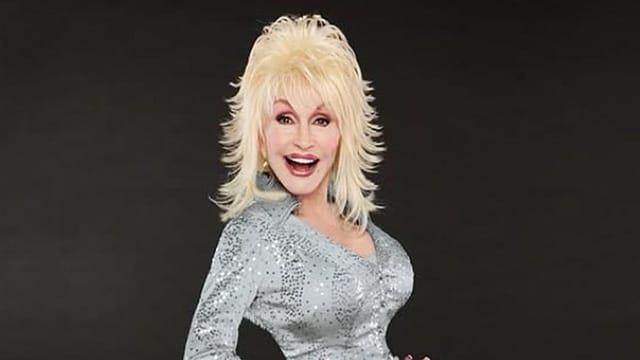
When people remember Dolly Parton, they usually start with the music.
Jolene. 9 to 5. Coat of Many Colors. I Will Always Love You.
But if you want to understand why Parton became one of the most successful entertainers in American history, you have to look beyond the songs and into the contracts.
Long before artist ownership became a rallying cry in the music industry, Parton was making decisions that many performers of her generation never considered.
She wasn't just building a career.
She was building a balance sheet.
That foresight helped transform a girl born into poverty in rural Tennessee into a global entertainment icon whose business interests stretched across music, film, tourism, publishing and philanthropy. Reuters, in its obituary of the singer, noted that Parton's influence extended far beyond music and into business and charitable initiatives that touched millions of lives.

Zeroing In on ECI
09 Oct 2026 - Vol 05 | Issue 41
Constitutional legitimacy versus political opportunism
Why Did Dolly Parton Turn Down Elvis Presley?
It remains one of the most famous "no" decisions in entertainment history.
In the mid-1970s, Elvis Presley wanted to record I Will Always Love You, the song Parton had written as a farewell to her longtime collaborator Porter Wagoner.
For many artists, it would have been an easy yes.
There was just one condition.
According to Forbes and Parton's own later recollections, Elvis' manager Colonel Tom Parker wanted half of the song's publishing rights as part of the deal. Parton refused. The decision reportedly left her heartbroken, but she chose to keep ownership of her work.
At the time, it looked like a huge risk.
Years later, it looked like genius.
When Whitney Houston recorded the song for The Bodyguard in 1992, it became one of the biggest-selling singles in music history. Because Parton had retained her publishing rights, she continued to benefit from the royalties. She later joked that Houston's version earned her "enough money to buy Graceland."
The lesson was simple: fame is valuable. Ownership is priceless.
How Did Dolly Parton Become One of the First Artists to Think Like a Founder?
The Elvis story wasn't an exception.
It was part of a pattern.
At just 20 years old, Parton made another decision that would define her financial future. After her contract with Combine Music expired in 1966, she and her uncle Bill Owens established Owe-Par Publishing, giving her control over much of her songwriting catalogue.
Today that sounds obvious.
Back then, it wasn't.
Many artists signed away publishing rights in exchange for immediate opportunities. Parton took a longer view.
That decision allowed her to retain ownership of a catalogue that eventually grew to more than 3,000 songs. Forbes estimated that her music publishing business generated millions of dollars annually in royalties and remained one of the most valuable parts of her estate.
In modern startup language, Dolly Parton wasn't just creating content.
She was retaining the intellectual property.
How Did Dollywood Become Dolly Parton's Biggest Business Success?
Most celebrities lend their names to businesses.
Parton helped build one.
In 1986, she partnered in a small Tennessee attraction called Silver Dollar City and helped transform it into Dollywood.
At first glance, it looked like a celebrity endorsement.
In reality, it became the centrepiece of an entertainment ecosystem.
Over the decades, Dollywood expanded into a tourism network that included theme parks, water parks, resorts, dinner attractions and thousands of jobs in eastern Tennessee. Forbes has repeatedly identified Dollywood as one of the largest contributors to Parton's wealth, estimating that her stake in the business was worth hundreds of millions of dollars.
More importantly, it turned her hometown into a destination.
While many stars moved away from their roots, Parton built an economic engine around hers.
Did Dolly Parton Quietly Build a Hollywood Production Empire Too?
Yes, and many people barely noticed.
In the 1980s, Parton and her longtime manager Sandy Gallin launched Sandollar Productions, a company that expanded her influence into film and television.
The company would go on to produce projects including Father of the Bride and become associated with the Buffy the Vampire Slayer franchise.
The move reflected a business principle that Parton followed throughout her life.
Never rely on one revenue stream.
Music made her famous.
But she consistently invested in businesses that could thrive whether or not she was on stage.
Why Was Giving Away Millions of Books Also a Brilliant Long-Term Bet?
In 1995, Parton launched the Imagination Library, a programme that mails free books to children from birth until age five.
The idea came from her father, who struggled with literacy.
What began as a local initiative eventually became one of the largest early childhood book-gifting programmes in the world. According to multiple reports, the programme has distributed hundreds of millions of books across several countries.
It was philanthropy.
But it was also something else.
It deepened trust in the Dolly Parton brand.
At a time when celebrity brands are often built around products, Parton built hers around literacy, education and goodwill.
That kind of reputation cannot be bought through advertising.
What Made Dolly Parton Different From Other Celebrity Entrepreneurs?
Many celebrities build businesses after becoming famous.
Parton often behaved like a business owner before she became a global star.
She understood publishing before most artists talked about ownership.
She invested in intellectual property before it became fashionable.
She diversified before "personal branding" became a business school case study.
And unlike many celebrity ventures, her businesses often reflected her personal story: books because her father couldn't read, Dollywood because she wanted to create opportunities in Tennessee, music ownership because she believed creative work should remain with its creator.
That combination of instinct and discipline is why Parton became one of the rare entertainers respected equally by musicians, executives and entrepreneurs.
What Is Dolly Parton's Real Business Legacy?
Dolly Parton, who died at 80 after a brief battle with cancer, leaves behind a catalogue of songs, films and cultural moments that will outlive her. Reuters described her as one of the most beloved and commercially successful figures in American entertainment, with influence spanning music, film and philanthropy.
But her most enduring lesson may have nothing to do with performing.
It may be this:
When the world wanted Dolly Parton to be a singer, she became an owner.
When it wanted her to be a celebrity, she became an entrepreneur.
And when it expected her to cash in on her fame, she quietly built an empire that kept paying long after the applause faded.
(With inputs from yMedia and agencies)