RIP Sanjay Gupta: Kaante director, who made Mumbai’s underworld his cinematic world, dies at 57
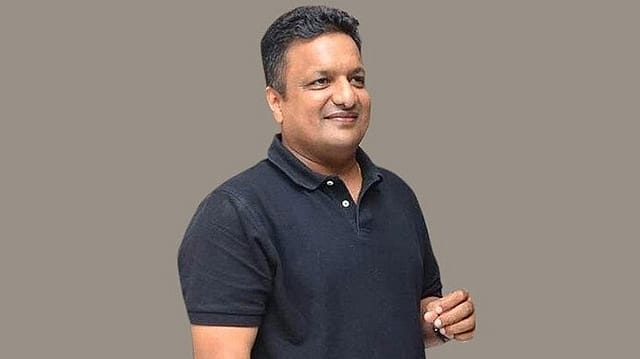
Hindi cinema has lost a filmmaker whose name became closely associated with Mumbai’s underworld, gritty crime stories and stylised action. Sanjay Gupta, the director behind Kaante, Shootout at Wadala and Mumbai Saga, has breathed his last at the age of 57.
Filmmaker and FWICE chief advisor Ashoke Pandit confirmed the news in an emotional Instagram post, revealing that Gupta died after sustaining a head injury at home. "It’s really shocking and sad. Just got the news that our dear friend an ace director Sanjay Gupta is no more. He passed due to a head injury at home," Pandit wrote. Remembering Gupta as a passionate filmmaker and a wonderful narrator with a “full of life persona”, he described his death as “a great loss to our industry”. Pandit also extended condolences to Gupta’s family and said details of the last rites would be shared soon.
But who was Sanjay Gupta, and how did he build a filmography that gave Hindi cinema some of its most recognisable crime dramas?
Who was Sanjay Gupta and how did his film career begin?
Born in Mumbai, Gupta began his career as a filmmaker with Aatish: Feel the Fire in 1994, featuring Aditya Pancholi and Sanjay Dutt. He went on to direct films including Ram Shastra, Hameshaa and Jung, gradually developing an interest in stories driven by crime, revenge and conflict.

Look Who's Talking Regime Change
23 Oct 2026 - Vol 05 | Issue 43
His filmmaking was marked by stylised visuals, dramatic confrontations and characters operating in morally grey spaces. Sanjay Dutt became a recurring collaborator, appearing in several of Gupta’s best-known projects.
Why did Kaante become Sanjay Gupta’s defining film?
Released in 2002, Kaante remains one of Gupta’s most recognised works. The crime thriller brought together Amitabh Bachchan, Sanjay Dutt, Suniel Shetty, Kumar Gaurav, Lucky Ali and Mahesh Manjrekar in a story about six men planning a bank robbery in Los Angeles. The film acquired cult status for its ensemble cast, dialogue, music and visual style. It also attracted comparisons with Quentin Tarantino’s Reservoir Dogs, an influence Gupta discussed in interviews.
In a 2022 conversation with The Indian Express, marking 20 years of the film, Gupta recalled that the team shot it in Los Angeles in just 33 days. He described the production as one of the most eventful journeys of his career.
Which other films made Sanjay Gupta a familiar name?
Gupta continued exploring crime and action with Musafir (2004), Zinda (2006) and Shootout at Wadala (2013), a film based on the 1982 police encounter involving gangster Manya Surve. He later directed Jazbaa (2015), Kaabil (2017), starring Hrithik Roshan and Yami Gautam, and Mumbai Saga (2021), another crime drama rooted in the city’s changing underworld.
His more recent work included Visfot (2024), which marked his move into the streaming space. In an interview with India Today, Gupta spoke about taking his time before making his first OTT release.
What made Sanjay Gupta’s cinema distinctive?
Gupta repeatedly returned to the world of gangsters, police encounters, revenge and power. His films often favoured heightened drama and striking action over understated storytelling. Whether audiences embraced or questioned his approach, his visual language and recurring themes made his work recognisable.
His untimely death marks the end of a career spanning three decades, leaving behind a filmography closely tied to Hindi cinema’s crime-thriller tradition.