Deva, the man behind Rajinikanth’s iconic intro music, dies; CM Vijay announces state honour
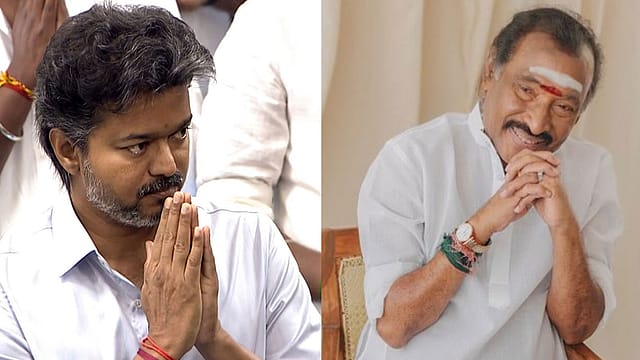
When Rajinikanth appears on screen, a familiar burst of music has long helped announce the arrival of the Superstar. Behind that unmistakable cinematic signature was veteran Tamil music composer Deva, whose melodies became part of the actor’s enduring screen identity. On Saturday, October 17, the two names were linked by a poignant moment as Rajinikanth arrived at Deva’s residence in Chennai to pay his last respects following the composer’s death at 75.
The Tamil Nadu government has announced that Deva’s final journey will be accorded state honours. Chief Minister C Joseph Vijay also expressed grief over the composer’s passing, describing it as an irreplaceable loss to Tamil cinema.
Rajinikanth’s tribute recalls a musical partnership that defined an era
Deva’s contribution to Rajinikanth’s films went beyond individual songs. He composed the title-card theme associated with the actor’s screen introductions, a piece of music that became instantly recognisable to generations of fans. The composer’s work on films such as Annamalai (1992), Baashha (1995) and Arunachalam (1997) helped cement that association.

Zeroing In on ECI
09 Oct 2026 - Vol 05 | Issue 41
Constitutional legitimacy versus political opportunism
In a report on Deva’s death, The Indian Express highlighted how his folk-influenced soundtracks for Rajinikanth’s films helped shape the sound of Tamil cinema in the 1990s.
Rajinikanth’s visit to Deva’s residence carried particular significance for fans familiar with the music that accompanied the actor’s larger-than-life screen persona. Deva’s compositions helped turn a star’s entrance into a musical event of its own.
CM Vijay announces state honours for Deva’s final journey
Vijay paid tribute to Deva through a statement shared by the official social media handle of the Tamil Nadu Chief Minister’s Office. He recalled how the composer won the affection of ordinary listeners through his distinctive folk songs and expressed shock and sorrow at his death.
The chief minister also noted Deva’s honours, including the Kalaimamani award, and said his musical journey and songs would remain part of film music history. He extended condolences to the composer’s family, friends, colleagues in the film industry and music lovers.
The CMO subsequently announced that the state government would accord state honours during Deva’s final journey. Former Tamil Nadu chief minister and DMK president MK Stalin also visited Deva’s residence in Chennai’s T Nagar to pay his respects.
How Deva took Chennai’s gaana music into mainstream cinema
Born Devanesan Chokkalingam on November 20, 1950, Deva built a career spanning nearly four decades. He composed music for more than 400 films across Tamil, Telugu, Kannada and Malayalam cinema, according to reports by The Indian Express and NDTV.
He was widely known as “Thenisai Thendral”, or the gentle breeze of music, and earned a special place in Tamil cinema for bringing Chennai’s gaana tradition to a wider film audience. Rooted in the city’s street culture and everyday experiences, gaana offered a distinctive musical language that stood apart from conventional film melodies.
Deva’s catalogue included the soundtracks of Annamalai and Baashha, as well as popular compositions across several decades. His work also extended beyond playback songs to background scores that audiences continued to associate with memorable scenes and characters.
Deva leaves behind a legacy heard across generations
Deva’s death has prompted tributes from political leaders, actors and members of the music fraternity. His legacy lies not only in the number of films he scored but also in the way he brought a recognisable local sound into mainstream entertainment.
For Rajinikanth’s fans, his music helped announce the arrival of an icon. For listeners drawn to gaana, it carried the rhythms and stories of Chennai into cinema halls across the country. As the Tamil Nadu government prepares to honour the composer’s final journey, those familiar notes remain an enduring part of the sound of Tamil film history.
(With inputs from ANI)