Wimbledon Forever: Forty-five years at the Centre Court
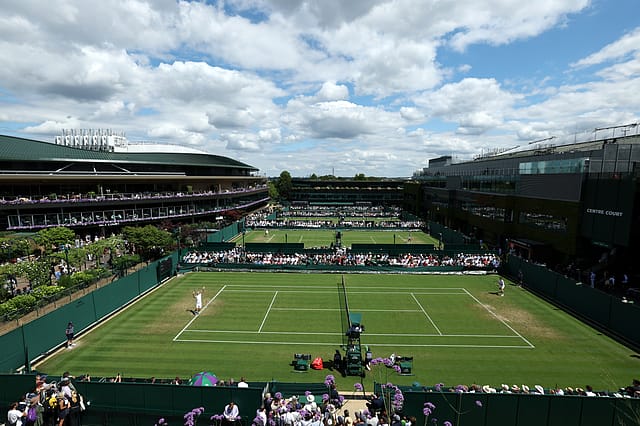
THERE ARE VERY few institutions left in this world that understand the magnificent art of staying exactly what they are. Wimbledon is one of them.
I have been attending the finals at the All England Club for forty-five years now. Forty-five. Let that number settle for a moment. I have watched hairstyles change, racquets evolve from wood to graphite to whatever engineered wizardry they wield today, prize money balloon from something gentlemanly to something almost obscene, and the world outside those hallowed gates transform beyond recognition. And yet, every single year, when I walk through those gates on finals day: the strawberries arrive in their little paper trays, the queue moves with that peculiarly British dignity, and the grass on Centre Court glows that same impossible shade of green.
I feel something ancient and irreplaceable settle in my chest. Call it continuity. Call it civilisation. I call it Wimbledon. I remember the Borg-McEnroe years with an almostphysicalache. Borg, ice-coldandimpossibly beautiful, a Viking come to conquer in white. McEnroe, volcanic, brilliant, a man perpetually at war with the universe and particularly with the umpire. The tension those two generated was Shakespearean: order against chaos, stillness against fury. I was young then, and I understood very little of what I was watching except that I was watching something I would tell my grandchildren about. I was right.
ThencametheSamprasera: allquietdevastation and lethal serve, a man who made genius look like plumbing. Effortless, efficient, ruthless. Followed, inevitably, by Federer and here I must confess that watching Roger Federer play ennis at Wimbledon was among the most aesthetically gratifying experiences of my adult life, on or off acourt. Hedidn’tplaytennis. Hecomposedit. Every forehand was a sentence written by someone who had read everything and forgotten nothing.
What has changed? Almost everything that is visible. The crowds are more global, more photographically obsessed, more likely to arrive having watched a forty-five-second highlights Reel than a five-set match. The players are physical specimens from another evolutionary chapter: fitter, faster, more powerful, more meticulously managed than anything the 1980s could have imagined. The commercial apparatus surrounding the fortnight would have been utterly unrecognisable to the blazered gentlemen who once ran this tournament from a leather armchair with a glass of something amber nearby.
The media circus, too, has transformed into something that would baffle its earlier self. Social media has colonised the commentary, turning every disputed line call into a global referendum and every post-match press conference into content.
Players are brands now, not merely athletes. The sponsorships, the Instagram stories shot courtside, the branded towels tossed with one eye on the camera: Wimbledon has not escaped this entirely. Nothing has.
And yet.
The grass is still grass. The whites are still white. Wimbledon has held that line with admirable stubbornness in an age where every other sporting institution has surrendered to the fluorescent. The strawberries are still served with cream. The Centre Court crowd still holds its breath at match point with an almost reverential hush that no other sporting arena quite replicates.
The Royal Box still carries its particular authority. The umpire’s voice still floats above the hush like something from another century.
What Wimbledon understands and this, I think, is the lesson it offers not just to sport but to life is that identity is not nostalgia. Identity is architecture. It is the load-bearing wall you do not knock down no matter how fashionable the open-plan conversion. Wimbledon has renovated around its identity with spectacular intelligence, adding roofs and technology and global streaming, while leaving the soul of the thing untouched.
Forty-five finals. Forty-five years of watching the greatest players in the world chase a gold trophy on the most famous rectangle of grass on earth.
I will be back next year. The strawberries will be waiting.
So will I.