Less London: The city has priced itself out of love
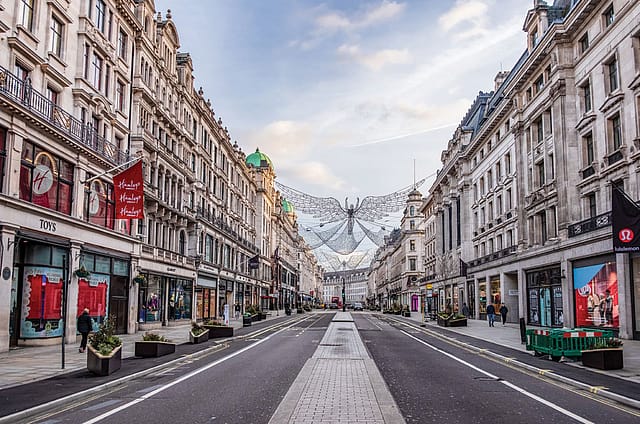
I HAVE LOVED LONDON for the better part of four decades. It was the city that taught me how to read a room, order a proper Negroni, and understand that civility is not weakness; it is, in fact, the highest form of strength. London was the great equaliser. A cab driver on the Embankment and a QC at Gray’s Inn could share an opinion on Tottenham’s back-four with equal passion and equal ignorance. That was the city’s genius: it made everyone feel like they belonged.
Not anymore.
This year, the numbers tell a story that London’s tourism boards would rather not headline. Tourist footfall is measurably lower. The anecdotal evidence is everywhere: quieter queues at the Tate Modern, fewer selfie-sticks at Tower Bridge, half-empty tables at restaurants that once required a fortnight’s notice. The reasons are neither mysterious nor especially flattering to the city’s custodians.
Begin with the cost. London has always been expensive. It wore that expense like a well-cut blazer: you noticed it, but you accepted it because everything else was simply too good. Today, that blazer has become a ransom note. A decent hotel room in Mayfair now costs what a small flat in Gurugram used to. A family of four attempting a week in London with flights, accommodation, museums, a West End show, and the obligatory afternoon tea will find themselves considerably lighter by several thousand pounds. For the aspirational middle-class traveller from Mumbai, Delhi, or indeed most of Europe, the arithmetic simply no longer works. And unlike New York or Paris, London offers no compelling counterargument of glamour sufficient to override the accountant in your head.
Then there is the political climate, which is not so much a climate as a perpetual English drizzle of uncertainty. Britain has had more prime ministers in recent years than most countries have had elections. The debate over immigration handled with all the grace of a pub brawl has left many visitors from South Asia and Africa feeling, if not unwelcome, then certainly uncelebrated. The visa regime is byzantine, the queues at Heathrow are legendary for all the wrong reasons, and the message emanating from certain corners of British political life has been, at best, ambivalent about the joys of a multicultural arriving world. When a country’s politics makes visitors feel like a burden rather than a bounty, they exercise the one power that always wins: they go elsewhere.
And elsewhere has never been more attractive. Dubai has built an entire civilisation of aspiration in the desert. Singapore hums with efficiency and ambition. Even continental Europe—Paris, Rome, Lisbon—offers comparable culture at a considerably more forgiving exchange rate, and with considerably fewer bureaucratic indignities at the border.
What makes this particularly poignant is that London, at its best, is still extraordinary. The museums are free and world-class. The theatre is unmatched. The restaurant scene, for all its expense, remains one of the most thrillingly diverse on earth. Hyde Park on a late June afternoon remains one of the most quietly civilised experiences available to the human species. The city has bones of beauty that no government can entirely ruin, though several have tried.
The tragedy is not that London is struggling. Great cities have weathered worse. The tragedy is that London does not appear to recognise what it is losing. Tourism is not merely an economic category: it is a vote of confidence, a love letter written in footsteps and foreign currency. When the world stops writing those letters, it is worth asking what the city has done to stop deserving them.
London must choose. It can continue to be costly, complicated, and vaguely hostile and watch the world reroute its affections. Or it can remember what made it magnificent in the first place: the radical, generous, improbable idea that everyone was welcome, and that the city was better for it.
The door is still there. Someone just needs to open it again.