Union Budget 2027: FM Sitharaman begins consultations as tax relief, jobs, growth take centre stage
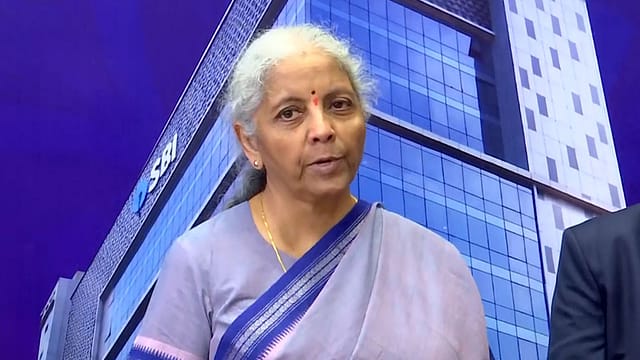
The countdown to the next Union Budget has begun. On November 16, Finance Minister Nirmala Sitharaman chaired the first pre-Budget consultation with leading economists in New Delhi, formally starting the process of gathering suggestions for the 2027-28 financial year.
The meeting was attended by Anuradha Thakur, Secretary of the Department of Economic Affairs, Chief Economic Adviser V Anantha Nageswaran and senior officials from the department, according to the Finance Ministry. The government has not publicly disclosed the individual economists who participated or the specific recommendations discussed.
This is the opening stage of the annual exercise. The Finance Ministry will hold further consultations with industry representatives, trade unions, financial institutions, state governments and social-sector organisations before finalising its proposals.
These meetings do not mean that any recommendation has been accepted. They give stakeholders an opportunity to place their priorities before the government while it works out the country's spending, taxation and borrowing plans.

The Wealth Issue 2026
06 Nov 2026 - Vol 05 | Issue 45
Portraits of Dreamers and Doers under 35
Why Budget 2027 matters as inflation and global uncertainty rise
The consultations come at a challenging economic moment. India's growth outlook remains relatively strong, but rising prices and global uncertainties are complicating the policy choices ahead.
The Reserve Bank of India's October policy review projected real GDP growth of 7.1% for 2026-27. However, the latest consumer price data offer a warning. Retail inflation rose to 6.09% in October, crossing the RBI's upper tolerance limit of 6% for the first time in two years. Food inflation was higher still, at 8.94%, according to the Ministry of Statistics and Programme Implementation.
Wholesale inflation has added to the pressure. The Commerce Ministry reported on November 16 that the Wholesale Price Index rose 12.29% in October, driven largely by fuel and power costs. These increases can eventually feed into manufacturing, transport and household expenses.
The government must therefore find a balance between supporting consumption, encouraging private investment and keeping public finances under control.
What are industry bodies asking for in Budget 2027?
Some demands are already emerging ahead of the wider consultation process. The PHD Chamber of Commerce and Industry submitted its recommendations to Sitharaman on November 10, calling for changes in capital gains taxation, manufacturing incentives and easier access to finance for businesses.
Among its proposals are scrapping long-term capital gains tax on equity investments, reducing short-term capital gains tax from 20% to 10%, and lowering securities transaction tax. It has also sought customs duty relief on imported industrial inputs such as liquefied natural gas and naphtha.
For ordinary taxpayers, the chamber has proposed a calibrated reduction in income tax rates to increase disposable income and encourage consumption. These are industry recommendations, not government commitments.
Will Budget 2027 continue the focus on infrastructure spending?
The previous Budget, presented on February 1, 2026, allocated ₹12.22 lakh crore for capital expenditure in 2026-27 and set a fiscal deficit target of 4.3% of GDP.
Infrastructure spending has been central to the government's strategy of creating jobs, improving connectivity and attracting private investment. Maintaining that momentum while reducing the deficit will be a key challenge in the next Budget.
Reuters reported that the fiscal deficit reached 42.1% of the full-year target during April-September 2026, highlighting the importance of revenue collection and expenditure management in the months ahead.
When will Union Budget 2027 be presented?
The Union Budget 2027-28 is expected to be presented on February 1, 2027, which falls on a Monday. The government has not yet formally announced the presentation schedule or the date of the Economic Survey.
For Indians, the eventual announcements will matter far beyond Parliament. Income-tax changes could affect take-home pay; spending decisions could influence jobs and public services; and allocations for infrastructure, healthcare, education and welfare could shape opportunities across the country.
The consultation process has begun. The real test will be how the government converts these competing demands into a Budget that supports growth without allowing household pressures or fiscal risks to deepen.
(With inputs from ANI)