Sensex Gains Nearly 400 Points as Investor Sentiment Improves
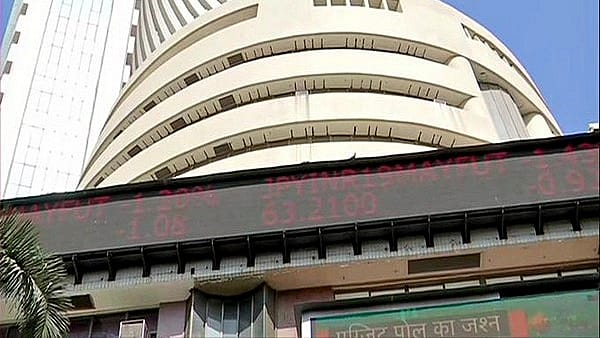
Indian equity markets staged a recovery on Tuesday, reversing recent weakness to end the day with solid gains. The rebound was driven by easing geopolitical tensions in West Asia, a decline in crude oil prices, and widespread buying across key sectors.
The Nifty 50 closed at 23,242.10, gaining 119.10 points or 0.52 per cent, while the BSE Sensex settled at 73,918.76, up 394.50 points or 0.54 per cent.
Why Did Indian Markets Rise on Tuesday?
Investor sentiment improved after concerns surrounding the Iran-Israel conflict appeared to ease. At the same time, crude oil prices softened, reducing worries about inflationary pressures and the impact of higher energy costs on the Indian economy.
Market participants viewed these developments as positive signals after a period of sharp market correction, encouraging fresh buying across several sectors.

Greening the Future
23 Jul 2026 - Vol 05 | Issue 30
Securing a sustainable India
What Are Experts Saying About the Recovery?
Despite the rebound, analysts believe investors remain cautious due to ongoing global uncertainties.
Vinod Nair, Head of Research at Geojit Investments Limited, said, "Domestic markets are witnessing a mild recovery after the recent sharp decline, supported by a pause in Iran-Israel tensions and softer crude prices. However, sentiment remains fragile, with continued FII outflows and higher bond yields highlighting persistent concerns around evolving global macro dynamics."
Nair also highlighted the importance of upcoming economic data from the United States.
"Focus is now on the upcoming US inflation data, which will be key in shaping expectations on Fed policy and global liquidity, especially given resilient US economic data. In the near term, markets are likely to remain volatile and range-bound, with investors staying cautious until clearer global cues emerge, even as Q4FY26 earnings were slightly better while the outlook for Q1FY27 remains weak," Nair said.
Which Sectors Led the Rally?
The gains were broad-based, with banking stocks leading the advance.
Nifty PSU Bank emerged as the best-performing sector, rising more than 3 per cent. Nifty Private Bank gained 1.58 per cent, while Nifty Realty advanced 1.66 per cent.
Other sectors also ended higher. Nifty Auto rose more than 1 per cent, FMCG climbed 0.76 per cent, Metal gained 0.56 per cent, Pharma added 0.62 per cent, and Oil and Gas advanced 0.33 per cent.
Only the IT and Media sectors finished the session in negative territory.
How Did Crude Oil Prices Influence Sentiment?
Oil prices played a significant role in supporting the market recovery.
Brent crude declined by more than 2 per cent and was trading near USD 92 per barrel at the time of reporting. Lower crude prices are generally viewed positively for India, which imports a large share of its energy requirements. Softer oil prices can help reduce inflationary pressures, improve corporate profitability, and support economic growth.
Why Did the Rupee Strengthen?
The Indian rupee appreciated by 38 paise to Rs 95.32 against the US dollar following the Reserve Bank of India's decision to exempt fresh FCNR(B) deposits from Cash Reserve Ratio (CRR) and Statutory Liquidity Ratio (SLR) requirements until September 30.
The move is aimed at attracting foreign currency inflows into the country.
Dilip Parmar, Research Analyst at HDFC Securities, explained the factors behind the currency's strength.
"The Indian rupee appreciated as a recovery in risk-on sentiment was driven by a weaker greenback and declining crude oil prices amid hopes of easing geopolitical tensions. Additionally, the resumption of inflows into the debt market, following recent RBI measures, provided further support."
What Happened in Gold and Silver Markets?
Precious metals remained under pressure as risk appetite improved.
Gold prices were trading at Rs 1,54,617 per 10 grams for 24-carat gold, while silver prices remained largely unchanged at Rs 2,46,618 per kilogram.
The weakness in gold reflected reduced demand for traditional safe-haven assets as investor confidence improved.
How Did Other Asian Markets Perform?
Most major Asian markets also recorded gains, reflecting improved regional sentiment.
Japan's Nikkei 225 rose 1.88 per cent, Singapore's Straits Times gained 1.16 per cent, Taiwan's Weighted Index surged 2.69 per cent, and South Korea's KOSPI jumped 7.56 per cent.
Hong Kong's Hang Seng Index was the lone major regional market to end lower, slipping 0.33 per cent.
What Should Investors Watch Next?
While Tuesday's rally provided relief after recent losses, market participants remain focused on global developments. Upcoming US inflation data, expectations surrounding the Federal Reserve's interest rate path, foreign institutional investor flows, bond yields, and geopolitical developments are likely to determine the market's next direction.
For now, easing geopolitical tensions and lower oil prices have offered temporary support, but analysts caution that volatility could persist until stronger global signals emerge.
(With inputs from ANI)