Nvidia's AI Financing Deals May Face Tighter US Scrutiny Over Financial Stability
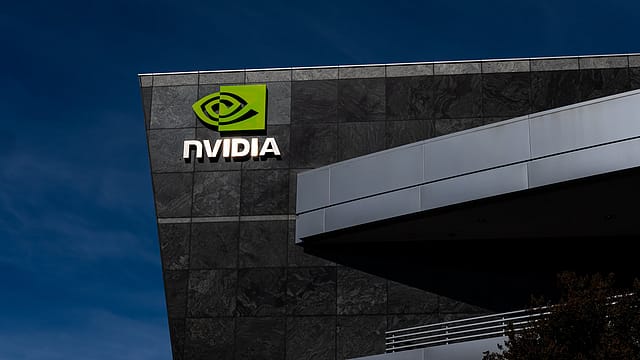
Financing arrangements promoted by Nvidia CEO Jensen Huang to support companies across the artificial intelligence (AI) industry could face tighter scrutiny from US regulators amid concerns that excessive borrowing may threaten financial stability.
According to a report by Taiwan's Central News Agency (CNA), carried by Focus Taiwan, executives in the Taiwanese semiconductor industry expect the US government to introduce new rules or establish a formal oversight mechanism to monitor such financing arrangements.
The development comes after Huang returned to Nvidia's leadership on Monday, November 23, following his resignation on November 12 amid reports of extramarital affairs, including an alleged relationship with a Chinese businesswoman suspected by US intelligence officials of having links to Chinese intelligence.
An executive at a Taiwanese integrated circuit packaging and testing company told CNA that Huang's return had eased concerns about the future of AI-related financing commitments. The executive expected him to honour earlier commitments to fund cloud service providers, AI software developers and neocloud companies that lease AI computing capacity.

Anatomy Of A Stillborn Revolution
20 Nov 2026 - Vol 01 | Issue 01
Whatever Happened To The Cockroach Janta Party?
WHAT IS AI CIRCULAR FINANCING?
The financing model, commonly described as circular financing, involves a technology company investing in, lending money to or guaranteeing funds for an AI partner. The recipient may then use that financial support to purchase products or services from the same technology company.
In Nvidia's case, the arrangements can involve funding companies that subsequently use the money to buy its AI chips, computing infrastructure or related services.
While such deals are not necessarily illegal or improper, they have raised concerns that they could make demand for AI products appear stronger than it actually is. Purchases backed by supplier financing do not necessarily demonstrate that AI companies are generating enough revenue from customers to sustain their spending.
The Taiwanese executive said the US government could require Nvidia to disclose more details about its financing agreements. Contracts could also be required to include clearer terms to address concerns about excessive borrowing and financial exposure.
HANDSHAKE DEALS WITH TAIWANESE SUPPLIERS
The Focus Taiwan report also highlighted informal agreements between Huang and some Taiwanese suppliers.
One industry executive said several suppliers had entered into so-called handshake agreements with Huang, based on verbal commitments rather than formal contracts. The executive said such arrangements carried risks and had reportedly been a point of disagreement among senior Nvidia executives.
A Wall Street Journal report cited by Focus Taiwan said Huang had viewed these informal arrangements as a reflection of the trust he had developed with business partners across the AI supply chain.
The Taiwanese executive expected future agreements between Nvidia and suppliers in the region to become more formal and legally binding.
However, another semiconductor industry executive said he was unaware of such arrangements, pointing out that many Taiwanese suppliers are publicly listed companies and must comply with legal and corporate governance requirements when entering into business agreements.
CHIP EXPORT RESTRICTIONS ADD TO INDUSTRY CONCERNS
The report also flagged concerns over the possibility of tighter US restrictions on chip exports to Southeast Asian countries, including Singapore and Malaysia.
A Taiwanese supplier executive said such restrictions could affect regional sales by limiting Chinese buyers' access to advanced chips through these markets.
Washington has been seeking to prevent advanced US-made chips from reaching Chinese buyers through third countries, amid growing competition between the two countries over AI technology and computing infrastructure.
The possible tightening of export controls could therefore add to the challenges facing Taiwanese suppliers that depend on the regional AI supply chain.
With inputs from ANI