NSE Launches Electronic Gold Receipts: What It Means for Gold Investors in India
The National Stock Exchange of India (NSE) has introduced Electronic Gold Receipts (EGRs), marking a significant shift in how gold is traded and held in India. Effective May 4, 2026, this new segment is designed to bridge the long-standing gap between physical gold ownership and financial market participation.
EGRs are essentially dematerialised securities that represent ownership of physical gold. Instead of holding gold in lockers or vaults personally, investors can now own it electronically, with the physical gold securely stored in vaults accredited by the Securities and Exchange Board of India (SEBI).
How the System Works
Each Electronic Gold Receipt is fully backed by actual physical gold, ensuring that investors are not dealing with abstract or speculative instruments. The gold is stored in regulated vaults, while ownership is reflected digitally through depositories.
These receipts can be traded on the exchange just like shares, allowing gold to become part of the formal financial ecosystem. NSE underscored this vision, stating, "With this launch, NSE aims to create a robust and transparent ecosystem for gold trading, enabling efficient price discovery, improved market participation, and enhanced trust across stakeholders including jewellers, refiners, traders, and institutional investors."

The Health and Wellness Issue
25 Sep 2026 - Vol 05 | Issue 39
From Physical Gold to Digital Asset
To demonstrate the system’s capabilities, NSE successfully converted a 1000-gram gold bar into an Electronic Gold Receipt. This process highlights how physical gold can be seamlessly transformed into a secure, tradable digital instrument within a regulated framework.
The move is expected to simplify gold ownership by eliminating concerns related to storage, purity verification, and security, while still retaining a direct link to physical assets.
Why This Could Change Gold Investing in India
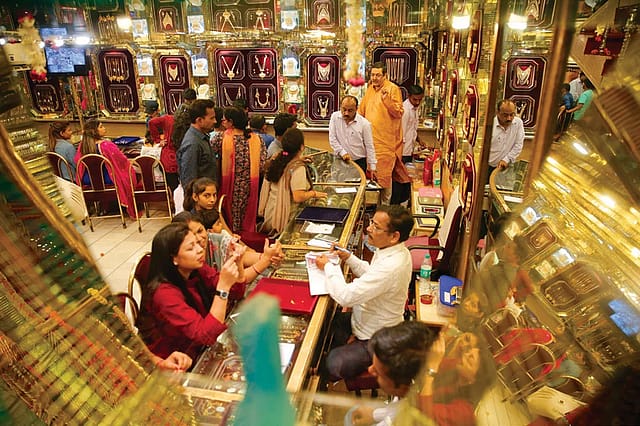
India has long been one of the world’s largest consumers of gold, but much of the market operates in fragmented and informal channels. EGRs aim to bring this massive asset class into a structured and transparent system.
By allowing investors to hold gold in demat form, the platform introduces flexibility similar to equities. Investors can buy smaller quantities, trade easily, and convert between physical and electronic formats without friction.
This could significantly improve liquidity and attract a wider range of participants—from retail investors to large institutions—who may have previously stayed away due to operational complexities.
NSE’s Vision: Transparency, Access and Financial Inclusion
Sriram Krishnan, Chief Business Development Officer (CBDO), NSE, described the launch as a turning point for gold markets in India.
He said, "The introduction of Electronic Gold Receipts at NSE marks a pivotal evolution in how India interacts with its most cherished asset. By leveraging NSE's robust technology and liquidity framework, we are democratizing access to gold, enabling investors across the nation to trade with unprecedented transparency and confidence."
He further added, "We believe that by creating a seamless, secure, and digital pathway for gold investment, we are positioning gold as a modern, integrated asset class within our capital markets, ultimately reducing dependence on fragmented benchmarks and fostering deeper financial inclusion."
A Step Towards Formalising India’s Gold Economy
With EGRs, NSE is attempting to formalise a traditionally unorganised market by offering a regulated, secure, and transparent alternative. The integration of gold into capital markets could reshape pricing mechanisms, reduce inefficiencies, and enhance investor trust.
As India moves toward digitisation across sectors, Electronic Gold Receipts may well become a cornerstone in modernising how the country engages with one of its most valued assets.
(With inputs from ANI)