Musk vs Meta, Again: WhatsApp’s Privacy Claims Under Fire
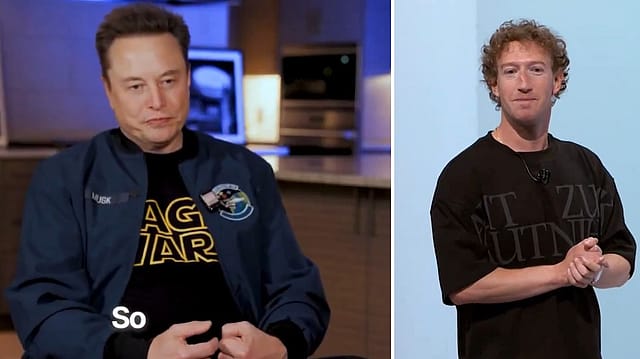
The message was short. The implication wasn’t.
“Can’t trust WhatsApp,” posted Elon Musk. Within hours, Pavel Durov piled on—calling WhatsApp’s encryption claims “the biggest consumer fraud in history.”
Meta to Shut Down Encrypted Instagram DMs, Raising Questions Over Privacy and AI Data Use
At the centre of the storm is a fresh class action lawsuit in the US, alleging that WhatsApp intercepted private user messages despite promising end-to-end encryption—and shared them with third parties, including Accenture.
The complaint argues that this alleged interception runs directly against WhatsApp’s core promise—that “not even WhatsApp” can access personal messages—raising questions about whether user trust has been overstated in its marketing.

Look Who's Talking Regime Change
23 Oct 2026 - Vol 05 | Issue 43
Musk didn’t stop at criticism. He nudged users toward X’s own messaging stack, pitching it as a platform with “actual privacy,” as the company continues to expand into encrypted chats, calls, and payments—areas where WhatsApp already dominates.
Meta hit back just as quickly.
Calling the allegations “categorically false and absurd,” the company defended WhatsApp’s architecture, pointing to its decade-long use of the Signal protocol—designed to ensure that only the sender and recipient can read messages.
Durov, however, doubled down. In a post, he alleged that WhatsApp reads user messages and shares them with third parties—something he insisted Telegram “has never done—and never will.”
The clash is hardly new.
The rivalry between Musk and Mark Zuckerberg has simmered for years—spanning product launches, AI jabs, and even a proposed cage fight.
From Threads taking on X to Grok taking shots at Meta AI, the competition has steadily intensified. Privacy now sits at the centre of that contest.
The lawsuit—filed in a California federal court earlier this year—names Meta, WhatsApp, and Accenture entities as defendants, accusing them of unlawful interception and sharing of private messages.
The plaintiffs are seeking declaratory relief, damages, and a jury trial.
For users, the noise is familiar—another round of Big Tech accusing Big Tech.
But the underlying question cuts deeper. In a market crowded with messaging apps promising security, encryption, and control, the real battle isn’t about features anymore.
It’s about belief. Because in the end, privacy isn’t what platforms claim. It’s what users are willing to trust.
(With inputs from ANI)