Lenskart vs Titan Eye+: Why the Battle Goes Beyond Your First Pair
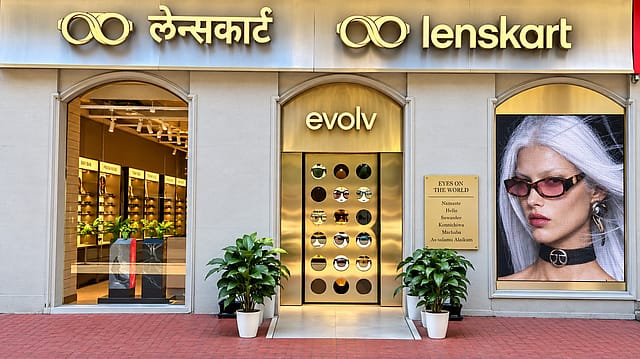
The ₹500 glasses in Peyush Bansal’s shareholder letter are the start of a much bigger shopping list. The Lenskart co-founder and CEO wants the next order too, whether it’s prescription sunglasses for you or glasses for someone in your family. In its November 4 results, Lenskart said India revenue grew 35.3% in the September quarter. The following day, Titan reported 28% growth at EyeCare, the division behind Titan Eye+. It too wants people to leave with more than one pair.
How big are the two eyewear businesses?
In the September quarter, Lenskart’s India business took in ₹1,668 crore in revenue, up 35.3% from a year earlier on the comparable basis used in its shareholder letter. Titan’s EyeCare division posted ₹281 crore in total income and ₹23 crore in earnings before interest and tax, up from ₹12 crore a year earlier. Lenskart’s figure is India revenue from operations. Titan’s segment figure includes other income, and its profit measure is before financing costs and tax.

The Era of Forever Wars
30 Oct 2026 - Vol 05 | Issue 44
Coping with an explosive Middle East
Who is opening more stores?
Lenskart. It added 143 net stores in India in three months and ended September with 2,868 across 665 cities. Sales at comparable existing stores rose 20.8% year on year, so growth also came from shops that were already open. Titan ended September with 847 domestic EyeCare stores and no net additions that quarter. It credits a wider mix of brands, changes to what it stocks and upgrades to the stores it already has.
What do you actually get for ₹500?
Bansal says Hustlr Club includes a frame, lenses and a warranty for ₹500. He describes a face scan in the app and a choice of colour. The price belongs to that specific offer. A face scan helps with selecting a frame, while an eye test establishes the prescription. Bansal wants Lenskart to “make a ₹500 pair profitably” by owning more of the work that goes into it. Lenskart’s quarterly disclosures give no breakdown of what it earns on that offer.
Why are both chains investing in eye tests?
The test gives people a reason to visit before they have decided whether to buy glasses. Lenskart says it carried out 70 lakh tests in India during the quarter, up 44.1% from a year earlier. Its remote testing system was available in 934 stores, allowing an optometrist to help assess a customer from another location. Titan has put digital equipment into upgraded Eye+ stores that lets an optometrist switch lens strengths while checking which one helps you see more clearly.
How does Lenskart turn one sale into a family account?
Its paid Gold programme lets members share benefits with family and friends using their registered mobile number. On eligible pairs, members can get two for the price of one under the programme’s terms. Lenskart counted 1.03 crore active Gold memberships in India at September-end and collected ₹73 crore in subscription fees during the quarter. That count measures active memberships.
Why does Bansal talk about subscriptions?
The fee brings in money even before a member places another eyewear order. It also gives families a reason to shop there again. In the letter, Lenskart says it “increasingly behaves like a subscription business” and that Gold customers buy more than regular shoppers. People who already buy more glasses may also be more likely to sign up for Gold. The letter gives no figures that separate the effect of membership from that difference.
Why sell ₹500 glasses if customers are spending more?
Because Lenskart can sell more at both ends. Its average selling price in India rose 6.9% to ₹1,950. The company credits a shift towards premium lenses, including more progressives, which let you see at different distances through different parts of the same lens. A cheaper first pair can expand the number of buyers while upgrades lift the average. The quarter’s figures don’t track whether the same shoppers moved from Hustlr to premium lenses.
What is Titan’s pitch for the second pair?
More choice in the same shop. At Titan Eye+, a shopper can compare a Fastrack frame with a different brand, or look for prescription sunglasses alongside everyday glasses. Titan also advertises offers on eligible second pairs. In an October article, the Tata group said EyeCare’s share of multi-pair buyers rose from 11% to 35%. It did not specify the comparison period or whether those purchases happened on one visit or several.
Can a watch purchase help Titan sell glasses?
Yes. Titan says shoppers can earn and redeem points on eligible purchases across its brands, including its watch and eyewear chains. Its rewards programme also offers eye-test reminders and eyewear servicing. Lenskart’s membership gives an eyewear shopper a reason to bring the family. Titan can also invite people into an optical shop through a relationship it already has with them elsewhere.
What do the factories have to do with your bill?
Making and fitting lenses yourself can leave more of the sale price in your pocket. It also means paying for the factory. Titan has a lens plant in Chikkaballapur, Karnataka. Lenskart does much of its fitting centrally and says its planned Hyderabad facility can make five crore pairs a year once fully running. The more orders it can put through those machines, the less each pair has to carry in fixed costs.
What if you like the frames you already own?
You may only need new lenses. Lenskart offers to fit replacements into frames bought from other retailers as well as its own. Upgraded lenses cost extra under its published terms. That gives the chain a way to pick up someone else’s customer at the moment their prescription changes, even if the frame stays.
Do two pairs on one bill count as loyalty?
It shows the shop persuaded someone to take two pairs home. A second visit is a different test. A customer who took a spare pair under a deal could still go to the neighbourhood optician when their prescription changes. The strongest measure would follow first-time customers for six or twelve months and show who returned for an upgrade, whose family shopped there, and how much the retailer kept after discounts and returns. The two companies’ quarterly disclosures give no such breakdown.