Godfather Beer Has a Name Sanjay Dutt’s Glenwalk Can’t Keep
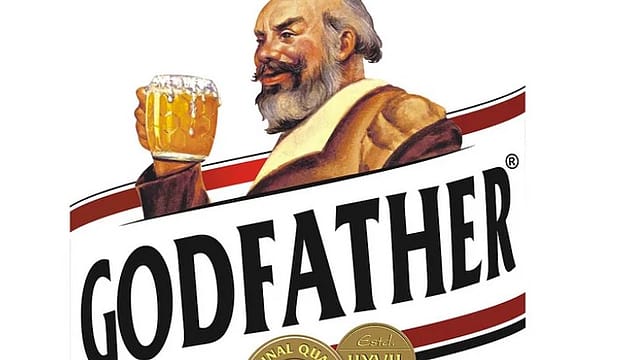
The whisky had made it to the shops. On April 2, Cartel Bros’ lawyer told the Delhi High Court that The Glenwalk Godfather Whiskey was already with retailers in Mumbai and Thane. The company had told them to hold off offering it for sale until the next hearing. The court also told Cartel to stop putting out new social media posts about the whisky until then. The bottles had travelled all the way to the retailer. The name was the part that couldn’t get past the till.
Seven months later, the court imposed a permanent injunction by consent.
On November 6, Justice Purushaindra Kumar Kaurav decreed the suit on terms agreed by Cartel and Devans Modern Breweries, the maker of Godfather beer. The injunction bars Cartel and those acting on its behalf from making, marketing or selling whisky or other alcohol under Godfather or branding that prominently features the name. Adding Glenwalk to it does not get Cartel around the decree. Sanjay Dutt, an investor and the whisky brand’s public face, was not personally enjoined.

The Era of Forever Wars
30 Oct 2026 - Vol 05 | Issue 44
Coping with an explosive Middle East
Cartel acknowledged Devans’ Godfather trademark rights for beer and spirits. It agreed to withdraw the disputed Indian applications, its UK application and its challenges to Devans’ spirits registrations within 14 days. Cartel also confirmed it had taken down the disputed online material as directed in June and undertook to keep it off channels it controls. Devans waived its monetary claims. The court made that bargain binding. It did not decide infringement after a trial.
The argument that got them here was about what a buyer might hear in one familiar word.
Devans has sold Godfather beer since 1984. It put sales of the beer at about ₹746 crore for 2024–25, a figure supported by a chartered accountant’s certificate it submitted in the June proceedings. That gives some idea of the business attached to the name before a bottle of Cartel’s whisky reached a retailer.
Cartel had a Scotch brand, a famous investor and a new bottle to introduce. What if the buyer saw the bottle, understood perfectly well that it contained Scotch, and assumed the beer company had made it?
They put Sanjay Dutt’s name on the argument
Dutt invested in Cartel Bros when The Glenwalk launched in 2023. The brand’s own site calls it “Baba ki whisky”. You can see the appeal of a nickname a customer can actually say across a liquor counter. Cartel’s lawyers went a step further. They argued that Dutt could help the customer tell one Godfather from another.
The June 22 interim order records the proposed label: “The Glenwalk Godfather’s by Sanjay Dutt”. Cartel’s counsel argued that the court should look at the whole thing. The revised design enlarged Glenwalk and shrank Godfather’s. Devans’ beer label had an old man on it; Cartel’s version had a man you might recognise from halfway across the shop.
Justice Tushar Rao Gedela saw the adjustments and still found that Godfather’s stood out. Cartel’s counsel had offered to withdraw the application for the plain Godfather word mark if the revised label was allowed.
That left a question a bigger typeface couldn’t answer: how much of the old name would a buyer still see? The judge granted interim relief, restraining use of the disputed branding on the whisky and ordering online takedowns.
Ashita Aggarwal, professor of marketing at SP Jain Institute of Management & Research, reckons that Sanjay Dutt gives you a real reason to look twice. But a shopper doesn’t have to read the label in the order the designer intended. The eye can go to Dutt’s face and the memory can go straight to Godfather. "You have to ask which name that person will use when they turn to the shopkeeper,” she says.
The revised label gave Cartel an argument in court and exposed a problem at the counter. Glenwalk was already a brand with a name of its own. Dutt gave it another way to be recognised. Putting Godfather between them gave the buyer a third answer to a question the company should have made easy: what do I ask for?
The beer fridge and the Scotch shelf
Cartel’s best point was the bill. Its lawyer put the beer at around ₹100 and the whisky at ₹1,750. The June judge accepted the obvious point: someone who comes in for a beer is unlikely to walk out with Scotch by mistake. He also noted that the two can sit on different shelves in the same store. For the interim ruling, he found the goods sufficiently related because they share distribution channels and outlets and come under the same broad excise regime. Devans had registrations for spirits as well as beer and had put invoices and a chartered accountant’s certificate before the court as evidence of earlier sales of Godfather whisky and rum.
Cartel disputed how much those old records proved. Its counsel argued that Devans had not used Godfather for whisky for years and pointed to the company’s whisky sold under other names. The June judge treated the registrations as valid and enforceable while Cartel’s challenges were pending. In November, Cartel agreed to drop those challenges. That history matters: the case did not rest on a beer company imagining a move into whisky for the first time.
At ₹1,750, someone may look quite carefully at what’s in the bottle and still assume they know who put it there. If you’ve bought Godfather beer before, Godfather whisky can sound like a new product from a company you already know. The price gap tells you it’s a different purchase. "It doesn’t tell you whether the two businesses have anything to do with each other,” says Aggarwal.
There’s no finding in the decree that a shopper actually made that mistake. The marketing point is that a plausible story can form in the seconds before someone pays: Oh, the Godfather beer guys have done a Scotch.
Devans already sells whisky under names such as GianChand, so the leap from brewer to whisky maker requires little imagination. Meanwhile, Devans lists a brewing tie-up in Satara. Its plans for more beer capacity in Maharashtra have their own commercial logic. They also make the overlap concrete: the brewer has a production partner in the state where Cartel had already got its whisky to retailers.
What Britain’s beer shelf could tell Delhi
Cartel had a good case to cite from Britain. The owner of the Caledonia beer mark opposed an application for Caledonian gin and Scotch whisky. The UK hearing officer looked at how people buy the drinks. Beer comes in pints or bottles; spirits come in smaller measures. Shops generally separate the two. She found the goods similar only to a low degree and dismissed the opposition. An appeal failed too. The Delhi judge drew a distinction: Devans had spirits registrations and produced evidence of past spirits sales. He also pointed to the common outlets and distribution channels in India.
American cases show how much depends on what the shopper sees.
A federal appeals court upheld a refusal to register Jose Gaspar Gold for tequila because of likely confusion with Gaspar’s Ale. But Buffalo Trace bourbon maker Sazerac lost its challenge to Fetzer’s 1000 Stories wine. Fetzer put a buffalo on a wine aged in bourbon barrels; the court found the overall labels looked different enough, and the trial judge found no evidence of actual confusion.
A buffalo and a bourbon barrel can both send you in the direction of Kentucky. They still left the wine buyer with a label that said 1000 Stories, and Sazerac had to show why that buyer would read the whole thing as coming from Buffalo Trace.
Give the next bottle one name to remember
Glenwalk already has something to print on a label. Its seven-year-old blend, bottled at 48% alcohol, won the Revelation Blended Whisky distinction in the 2026 Spirits Selection by Concours Mondial de Bruxelles. The award listing calls it The Glenwalk. The court papers do not establish whether that blend and the proposed Godfather whisky were the same liquid. The award gives Glenwalk a reason to be asked for by name that has nothing to do with either Godfather or Dutt.
The company has also worked on reasons to try it. It introduced a 200 ml Glenwalk bottle in Maharashtra in 2024. A nip lets a curious buyer try a Scotch without paying for a full bottle. Its Dominance range gives drinkers choices by strength and age. Those are more useful ways to distinguish one whisky from another. And they give a retailer something to say after the customer has asked, “Is this Baba’s?”
It's fascinating to know from retailers what people say when they come back for a second bottle. ‘Baba ki whisky’ is a good way into the shop. If the next thing a customer can say is ‘the seven-year-old Glenwalk’, the company has given them something of its own to remember. You can build on that when you bring out the next bottle.
Devans gave up its monetary claims and kept the ability to decide what else Godfather might become. It can leave the name on beer or make more of it in spirits on its own terms. Cartel still has Dutt and the same useful question waiting at the counter. A shopkeeper might know exactly what to reach for when somebody asks for Baba’s whisky. The hard part is getting that customer to come back and ask for Glenwalk.