Global crude oil prices jump over 5% after US strikes Iran, Trump ends peace deal
Global crude oil prices rallied sharply on Wednesday after the United States carried out fresh military strikes on Iran, escalating tensions in the Middle East and raising concerns over global energy supplies, inflation and the future course of US monetary policy.
US strikes follow attacks in Strait of Hormuz
Global oil markets reacted strongly after the US launched fresh strikes on Iran in retaliation for Tehran's attacks on commercial vessels transiting the Strait of Hormuz.
"Strikes are in response to Iranian attacks on three commercial vessels that were transiting the Strait of Hormuz. Iran's demonstrated aggression was unwarranted, dangerous, and a clear violation of the ceasefire," the U.S. Central Command said in a post on X.
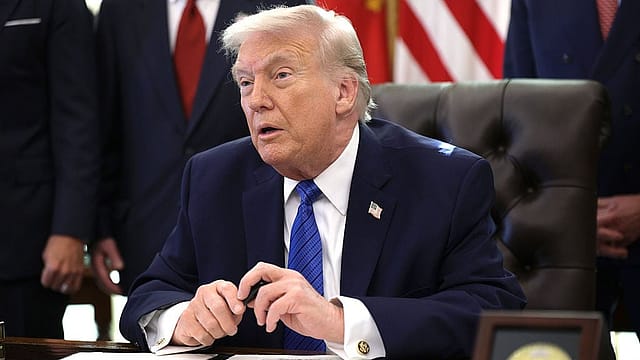
Speaking to reporters in Ankara during a press conference on the sidelines of the NATO summit, US President Donald Trump announced that he was pulling out of the interim peace deal with Iran, saying he no longer wanted to engage with Tehran. The president also described the Iranian leadership as "scum."

The Health and Wellness Issue
25 Sep 2026 - Vol 05 | Issue 39
Oil prices rebound sharply as tensions return
Following the renewed conflict, US West Texas Intermediate (WTI) crude rose 5.8 per cent to USD 74.5 per barrel, while global benchmark Brent crude gained 5.65 per cent to USD 78.35 per barrel.
Oil prices had earlier retreated to pre-conflict levels after negotiations between Washington and Tehran gathered pace following the signing of a Memorandum of Understanding (MoU) in June. The agreement had immediately halted hostilities and allowed toll-free commercial shipping through the Strait of Hormuz for a period of 60 days.
The United States has now revoked the sanctions waiver that had been granted to Tehran after the interim peace deal and the conclusion of the first round of bilateral talks in Switzerland. Commercial shipping activity had recovered as tensions eased and prospects of a diplomatic breakthrough improved.
Inflation fears return as geopolitical risks mount
The renewed exchange of strikes has reignited concerns that crude oil prices could climb to levels that fuel inflation across major economies.
In the United States, gasoline prices have remained elevated despite the recent decline in global crude prices and President Trump's earlier calls for oil companies to lower fuel prices.
Persistently high inflation remains a key political and economic challenge for the Trump administration ahead of the November midterm elections. The latest escalation with Iran has also increased expectations that the US Federal Reserve could opt for another interest rate hike, even as its newly appointed chairman, Kevin Warsh, has made bringing inflation back to target a top priority.
(With inputs from ANI)