GIFT NIFTY Trading Hours, Impact and Role in Nifty Price Discovery Explained
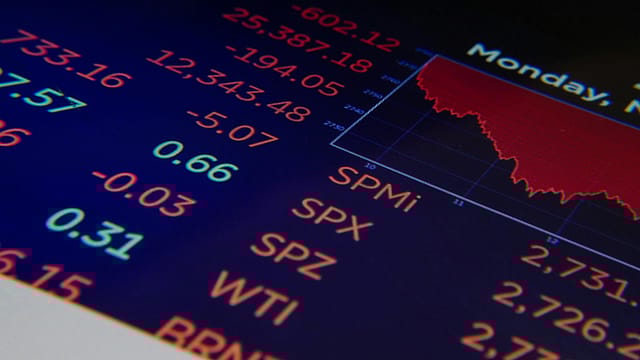
India’s market clock has shifted. GIFT NIFTY, trading nearly 21 hours a day, is now where global cues are first absorbed and priced in. With over 60 per cent of Nifty price discovery flowing through it, this offshore market is steadily becoming a key driver of early sentiment for Indian equities.
Here’s a more detailed look.
What is GIFT NIFTY and how does it work?
GIFT NIFTY is a US dollar-denominated futures contract linked to the Nifty 50, traded on an international exchange connected to the NSE, enabling global investors to access Indian equities without domestic regulatory or currency barriers.
Why did trading shift from Singapore to GIFT City?
For over two decades, SGX Nifty in Singapore dominated offshore trading in Indian equities. The July 2023 shift to GIFT City brought liquidity under Indian jurisdiction, aiming to centralize price discovery and strengthen control over capital flows.
How does GIFT NIFTY operate across global time zones?
GIFT NIFTY operates across two sessions spanning Asia, Europe, and the US, trading nearly 21 hours a day. This extended window allows it to react instantly to global events such as US inflation data or Federal Reserve decisions, shaping sentiment before Indian markets open.

Open Minds 2026
26 Jun 2026 - Vol 05 | Issue 26
The power of ideas and arguments in 50 portraits
Does GIFT NIFTY influence market openings in India?
Yes, it sets expectations before the 9:15 AM open. According to iBull Securities, it strongly correlates with domestic openings. Traders track early levels to anticipate gaps and gauge a “synthetic opening.” Acting as a pre-opening pulse, it absorbs overnight developments, making it a forward signal rather than a concurrent one.
What data supports its role in price discovery?
Research suggests GIFT NIFTY contributes over 60% to Nifty price discovery. Analysis from NSE IX indicates it leads in over 65% of sessions. By the domestic open, billions in notional value are already traded offshore, helping absorb information faster and shape early expectations.
How do global factors shape GIFT NIFTY movements?
Global cues are central to GIFT NIFTY’s behavior. US Federal Reserve policy, inflation data, crude oil prices, and bond yields drive its direction. Being dollar-denominated, it closely tracks global liquidity trends, foreign investor sentiment, and movements in US indices, often reacting before domestic markets.
Who can trade GIFT NIFTY and who cannot?
Participation in GIFT NIFTY is largely driven by foreign portfolio investors, global institutions, and NRIs who benefit from its dollar-denominated structure and tax efficiency.
Domestic retail investors, however, are restricted under the RBI’s Liberalized Remittance Scheme. They can only track it as a sentiment indicator rather than actively trade it.
Can GIFT NIFTY signals ever be wrong?
While highly reliable, GIFT NIFTY is not infallible. Domestic triggers such as RBI policy decisions, unexpected corporate earnings, or late-breaking geopolitical news can override offshore cues. At times, pre-open auction activity on the NSE also alters direction. Still, it remains a strong early indicator in globally driven sessions.
What does this mean for India’s market future?
GIFT NIFTY signals a structural shift where price discovery extends beyond domestic hours into a global cycle. As offshore liquidity concentrates in GIFT City, it is set to strengthen India’s financial influence while reshaping how traders read timing, risk, and market signals.
(With inputs from yMedia)