Early Warning Signs Emerge in India's MSME Loans Amid Middle East Crisis
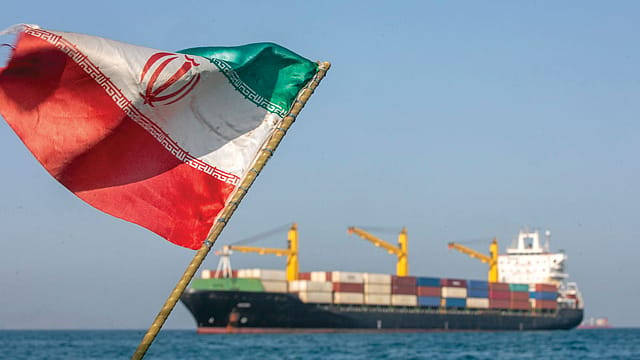
India's micro, small and medium enterprises (MSME) lending segment is beginning to show signs of strain, with delinquency levels rising modestly in April 2026. According to a sector update by 360 ONE Capital, banks are becoming increasingly cautious about the potential fallout from the ongoing conflict in West Asia, particularly its impact on supply chains and input costs for small businesses.
Banks Monitor Emerging Risks from West Asia Conflict
While lenders have not yet witnessed a significant deterioration in asset quality, concerns are growing over the indirect impact of geopolitical disruptions on MSME borrowers.
"The recent commentaries by the banks (during 4Q) and our channel checks indicate that though the impact of the West Asia crisis is not yet visible on the asset quality, the banks remain cautious on the second order impact on the MSME borrowers," the report said.

Greening the Future
23 Jul 2026 - Vol 05 | Issue 30
Securing a sustainable India
According to the brokerage, supply-chain disruptions and rising raw material costs could affect businesses operating in sectors such as fertilisers, ceramics, polyester textiles, specialty chemicals, flexible packaging, auto components, diamond polishing and basmati rice exports. These pressures may weaken the repayment capacity of MSME borrowers in the coming months.
Delinquencies Edge Higher, PSBs Show Greater Vulnerability
Data from CRIF High Mark indicates a gradual worsening in repayment trends across the MSME lending ecosystem.
"Loans to MSME segment (by banks, NBFCs and others) witnessed early signs of stress in April 2026, with PAR 31-90/PAR 90+ inching up to 1.8%/7.8% versus 1.6%/7.6% in 4QFY26," it said.
The report noted that public sector banks (PSBs) are experiencing greater stress than private sector lenders.
"PAR 31-90 for PSBs increased to 3% in April 2026 versus 2.7% in 4QFY26, while PAR 31-90 for PVBs remained stable at 0.7%," it said.
360 ONE Capital believes PSBs could face a larger impact if conditions deteriorate further.
"Historically, PSBs has had higher slippage/GNPA ratio within the MSME segment as compared to PVBs and thus we believe, the disruptions due to the geopolitical situation is likely to have a higher impact on asset quality for PSBs as compared to PVBs," the report said.
Credit Growth Slows as Lenders Turn Cautious
The report also highlighted a moderation in MSME credit growth as lenders adopt a more conservative approach.
MSME loan growth eased to 12.7 per cent year-on-year in April 2026, down from approximately 18-20 per cent recorded during the second and third quarters of FY26.
"Growth within the active loans slowed down to 2.5% YoY versus 6% YoY/9.4% YoY in 2QFY26/3QFY26, reflecting the cautious approach by lenders in terms of new disbursals or due to the Middle East war," the report said.
Despite the emerging pressures, 360 ONE Capital expects government-backed support mechanisms to provide some relief.
"CGTMSE and ECLGS are likely to cushion the impact," the report added.
The brokerage believes these guarantee schemes could help limit the broader impact of rising stress in the MSME segment on the banking sector.
(With inputs from ANI)