Cancer Drug Price Cap Approved; Govt Projects ₹2,500 Crore in Annual Savings
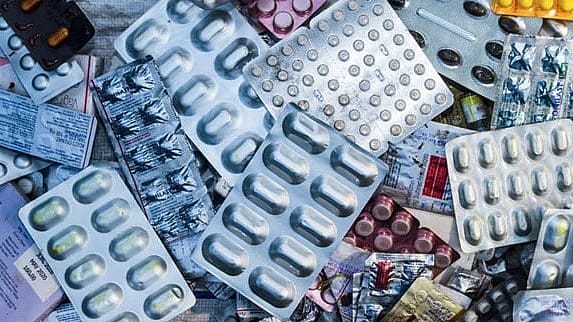
The government has approved a wider cap on trade margins for non-scheduled anti-cancer medicines, a move it says could reduce prices by up to 70% and save patients ₹2,500 crore annually.
According to a government release, margins charged in the supply and sale of these medicines will be limited to 30% of the Maximum Retail Price (MRP). The intervention will extend price protection to cancer drugs outside the scheduled list, whose medicines are already subject to government-set ceiling prices.
An expert committee under the Directorate General of Health Services (DGHS) will finalise the medicines to be covered. The National Pharmaceutical Pricing Authority (NPPA) will then take a decision and issue the notification.
WHY THE GOVERNMENT IS INTERVENING
An NPPA analysis of market data found that non-scheduled anti-cancer medicines carry an average price mark-up of approximately 170%, with mark-ups reaching 700% or more in some cases, the release said.

The Modi Years
02 Oct 2026 - Vol 05 | Issue 40
A Nation Rebuilt
Prices also differ substantially across retail pharmacies, hospital pharmacies and online sellers. Authorities in Maharashtra, Rajasthan and Karnataka, along with patients and civil society groups, have raised concerns about excessive prices and the gap between procurement costs and the MRP charged to consumers.
These margins can sharply increase the cost of cancer treatment, particularly for families paying for expensive medicines out of their own pockets. The government said the wider cap would curb excessive profiteering and address unfair pricing practices.
BUILDING ON THE 2019 CAP
In February 2019, the NPPA capped trade margins on 42 selected non-scheduled anti-cancer drugs under Paragraph 19 of the Drugs (Prices Control) Order, 2013.
That intervention reduced MRPs by up to 91% across 526 brands, with reported annual savings of ₹984 crore, according to the release. The government said the expanded measure builds on that experience.
The new intervention will cover branded and generic medicines, domestically produced and imported drugs, and patented and non-patented products within the non-scheduled anti-cancer category.
Manufacturers will be required to maintain their current production levels to help ensure continued availability as prices are brought down.
With inputs from ANI