Will India face 100% Trump tariffs? What the US House’s Russia sanctions bill means for oil, trade and diplomacy
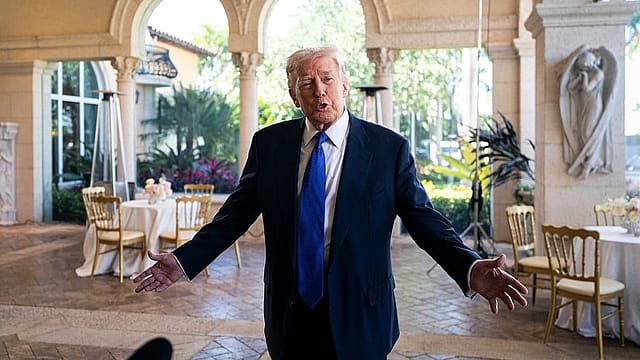
A bill passed thousands of kilometres away in Washington could soon become one of the most closely watched developments in New Delhi.
The US House of Representatives has approved the Lindsey O. Graham Sanctioning Russia and Iran Act of 2026, a major piece of legislation aimed at increasing economic pressure on Russia over the Ukraine war. The bill now heads to President Donald Trump, who is widely expected to sign it into law. Reuters reported that the legislation would allow Trump to impose tariffs of up to 100% on countries that continue buying significant amounts of Russian energy. India and China are among the countries most frequently mentioned in the debate.
So should India be worried? And what happens next?
Why is India suddenly being mentioned in a US sanctions bill?
The answer lies in oil.
Since the Ukraine war began in 2022, India has emerged as one of the largest buyers of discounted Russian crude. Russian oil, which accounted for a tiny share of India's imports before the war, became a major source of energy as Indian refiners took advantage of lower prices.

Losing Memory
16 Oct 2026 - Vol 05 | Issue 42
The making of a medical and social emergency
According to the legislation passed by Congress, countries that continue purchasing substantial amounts of Russian oil and gas could face punitive tariffs imposed by the US president. The measure is designed to reduce the revenues Russia earns from energy exports, which Western governments argue help finance Moscow's war effort.
Does the bill automatically impose 100% tariffs on India?
No. This is the most important point for Indian readers.
The legislation does not automatically trigger tariffs. Instead, it gives President Trump the authority to impose tariffs of up to 100% on major buyers of Russian energy. In other words, the power exists, but whether and how it is used remains a political decision.
The bill also contains waiver provisions that allow the US administration flexibility if imposing sanctions is deemed contrary to American national interests.
Why is this a big deal for India anyway?
Because uncertainty itself can have consequences.
India's energy strategy over the past four years has relied heavily on discounted Russian crude to help keep fuel costs manageable. Any serious threat of tariffs could complicate trade discussions between New Delhi and Washington and force Indian policymakers to reassess the balance between energy security and geopolitical risk.
Analysts quoted by international media have noted that India faces a difficult calculation: maintaining access to affordable energy while avoiding economic friction with one of its most important strategic partners, the United States.
Could this affect India's exports to the US?
Potentially, yes.
If a future US administration chose to use the authority provided by the law, tariffs could affect goods exported from targeted countries into the American market. That is why businesses, exporters and policymakers are paying attention.
However, experts caution that there is still a significant gap between a law granting authority and the actual implementation of tariffs. Diplomatic negotiations, exemptions and broader strategic considerations could all influence the final outcome.
What has India said about buying Russian oil?
India has consistently defended its purchases by arguing that energy security remains a national priority.
Indian officials have repeatedly said that procurement decisions are based on national interest and the need to ensure affordable energy supplies for a country of more than 1.4 billion people. New Delhi has also maintained that it complies with applicable international obligations while pursuing a diversified energy strategy.
What happens next?
The immediate next step is President Trump's signature.
Once signed, the legislation becomes law. Even then, the key question will not be whether the law exists, but how aggressively the White House chooses to use the powers it creates.
For India, the story is therefore not about a tariff that has already arrived. It is about a new source of leverage in Washington's toolkit and a reminder that Russian oil is no longer just an energy issue. It has become a geopolitical one.
And that is why a vote in the US House is now being watched just as closely in New Delhi as it is in Washington.
(With inputs from agencies)