US-Iran Conflict: JD Vance Backs Negotiations as Trump Warns Tehran to “Behave”
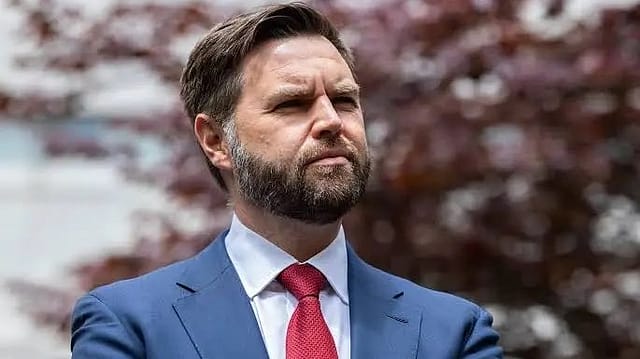
US Vice President JD Vance has defended Washington's diplomatic engagement with Iran even as military hostilities between the two countries have intensified once again.
Speaking on an episode of The Joe Rogan Experience released on Wednesday (local time), Vance argued that abandoning negotiations would be a mistake, insisting that military operations alone cannot resolve the broader security challenges posed by Iran, particularly in the strategically important Strait of Hormuz.
Expressing frustration over criticism of diplomacy, Vance said, "I'm very frustrated by the Americans, and frankly by people in other countries who are like, you cannot negotiate with the Iranians."
Why is the Strait of Hormuz central to the debate?
According to Vance, the Strait of Hormuz remains one of the biggest reasons the United States must continue engaging Iran diplomatically.

Zeroing In on ECI
09 Oct 2026 - Vol 05 | Issue 41
Constitutional legitimacy versus political opportunism
He argued that while military strikes can degrade Iran's capabilities, they cannot permanently eliminate threats to commercial shipping passing through the narrow waterway.
"You can bomb them, you can take away their radar, you can take away some of their drones and some of their missiles, but it's just too easy to fire at ships in the straits," Vance said.
He added, "So you've got to actually be willing to talk and to try to figure out the problem."
What is happening with US-Iran negotiations?
Vance has been leading US efforts to engage Iran over its nuclear programme, but negotiations have reportedly stalled amid disputes linked to the Strait of Hormuz.
His remarks also come at a time when President Donald Trump has publicly questioned the usefulness of continuing diplomatic talks with Tehran, reportedly calling them "a waste of time dealing with them" as fighting resumes.
The differing emphasis highlights an ongoing debate within Washington over whether diplomacy or military pressure should take precedence in dealing with Iran.
What did Donald Trump say?
Speaking after arriving in Pennsylvania for the Pennsylvania Defence and Innovation Summit, President Donald Trump indicated he had not issued any formal deadline to Iran before authorising strikes on bridges inside the country.
Asked whether Tehran had been given an ultimatum, Trump replied, "I don't like giving deadlines, but they pretty much know--they know the story. They better behave."
His remarks came as hostilities between the United States and Iran escalated following the collapse of the memorandum of understanding (MoU) that had sought to end the conflict in West Asia.
Has Iran ruled out fresh negotiations?
Iran has signalled that it is not interested in returning to the negotiating table under the current circumstances.
Iranian Foreign Ministry spokesperson Esmaeil Baghaei said the Islamic Republic has no plans to resume talks with the United States while military confrontation continues.
According to Iranian state media, Baghaei said Tehran is focused on defending itself against ongoing US military action and no longer considers itself bound by the memorandum of understanding signed with Washington to end hostilities.
What happens next?
The latest developments underline the widening gap between military escalation and diplomatic efforts in the US-Iran relationship.
While Vance maintains that negotiations remain indispensable because of the security risks surrounding the Strait of Hormuz, President Trump has adopted a tougher public tone, and Iran has rejected the prospect of renewed talks for now.
With both military operations and political rhetoric intensifying, the future of US-Iran diplomacy remains uncertain.
(With inputs from ANI)