Sarah Mullally: Canterbury Tales
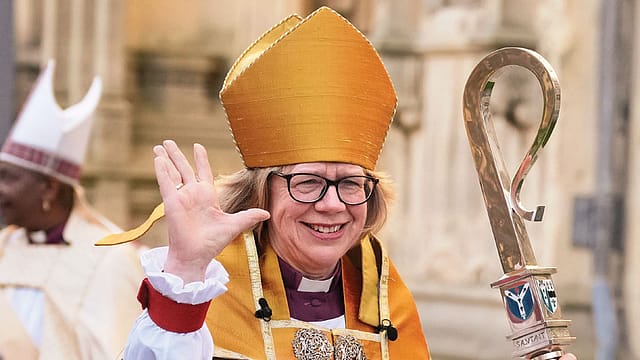
WHEN HENRY VIII tore down the shrine to Thomas Becket in 1538, Canterbury lost its exalted position above the Crown. But it never ceased to be the theological heart of the Church of England. Anglicanism would become the Via Media (middle path) between Catholicism and Puritanism, seeing itself as preserving episcopal structure while rejecting papal authority. Sarah Mullally, the former nurse ordained in 2001 who has now been enthroned on St Augustine’s (not to be confused with Augustine of Hippo) marble seat as the first female archbishop of Canterbury after her 105 male predecessors, inherits not merely living tradition and a history of rebellion but a church rocked by the resignation of her immediate predecessor Justin Welby in 2024 for his handling of a sexual abuse case. Mullally’s first sermon as archbishop struck all the right chords, including the need to look closer home at people let down by the church. She is also the first modern archbishop to make the near-90 mile pilgrimage from St Paul’s to Canterbury on foot.
At this moment, Dame Mullally personifies all that has changed since Archbishop Thomas Cranmer annulled Henry’s marriage to Catherine of Aragon. But her elevation isn’t without its critics, especially in Africa, where conservative Anglican clerics recently met in Abuja to select Rwandan archbishop Laurent Mbanda as their leader. The Church of England has 95 million adherents worldwide and looks to the Global South for renewal as congregations in Britain shrink. But not everyone is willing to abandon the past. They will be watching Mullally.