QUICK TAKE | 83 US Congresswomen Targeted by Sexual Deepfakes: Why Is Paris Hilton Demanding Action? Seven Things to Know
1. What are sexual deepfakes?
They are AI-generated or digitally manipulated images and videos that depict someone in sexually explicit situations without consent. A person's face or likeness can be placed into fabricated content, making it appear authentic.
2. What did Paris Hilton tell Congress?
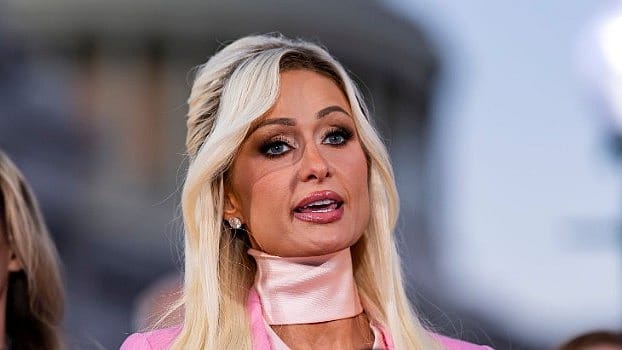
At a November 17 Capitol Hill press conference, Hilton said her team's research found that 83 of the 156 women in the 119th US Congress had sexual deepfakes online. She also said more than 100,000 explicit AI-generated images and videos depicting her had been created. These are figures she cited, not official government counts.
3. Why is Hilton speaking out?
Hilton has spoken about an intimate video of her being shared without consent when she was 19. She says that experience and AI-generated images have driven her advocacy, particularly for victims without resources or legal support.
4. What is the DEFIANCE Act?
The bill would create a federal civil route for victims to sue people who knowingly create or distribute non-consensual sexually explicit digital forgeries. It would allow victims to seek damages and recover profits made from the material.

The Wealth Issue 2026
06 Nov 2026 - Vol 05 | Issue 45
Portraits of Dreamers and Doers under 35
5. Has the bill become law?
No. The Senate passed it unanimously in January 2026, but it has not received a House vote. Hilton joined Democratic Representative Alexandria Ocasio-Cortez and Republican Representative Laurel Lee in urging House leaders to bring it forward.
6. Isn't there already a law against deepfakes?
The Take It Down Act, signed in May 2025, makes publishing non-consensual intimate images, including digital forgeries, a federal crime. It also requires covered platforms to remove reported material within 48 hours. The DEFIANCE Act would add a civil remedy, allowing victims to sue.
7. Why does this matter beyond celebrities and politicians?
Sexual deepfakes can expose ordinary people, including students, to harassment and reputational harm. The central issue is consent: fabricated images can cause real damage. The question is whether removal rules and criminal penalties are enough, or whether victims also need compensation and accountability.