Putting the Squeeze on Havana
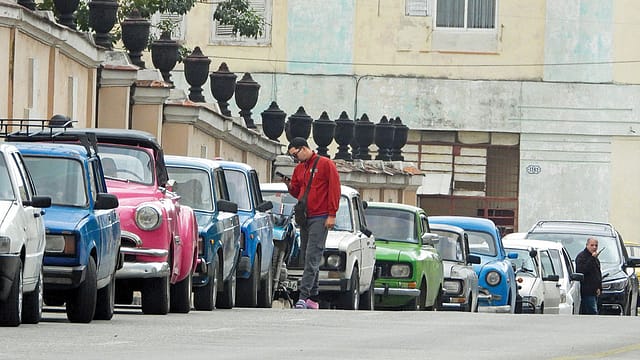
The Trump administration is serious about regime change in Cuba. Under US sanctions of all kinds since the Eisenhower administration imposed the first economic curbs in 1960 as Fidel Castro began nationalising American properties, life in Cuba is reportedly paralysed with Washington blocking the island nation’s access to oil. Stocks of fuel are expected to run out by April; the last import was on January 9. The loss of supplies from Venezuela and US President Donald Trump’s January 29 executive order threatening fresh tariffs on any country that provided Cuba with oil have resulted in the tourism industry grinding to a halt. Hotels are closing. Blackouts are setting new records. Queues at filling stations are interminable. Workers are on furlough; the government can’t pay salaries beyond February. Necessary food items have become unaffordable. The developing humanitarian crisis has brought condemnation from the UK and UN to Democrats in Congress but the State Department insists the situation isn’t that dire and there is a $6 million aid package, including food, waiting. The rapid collapse has taken Cuba watchers by surprise. The communist government President Miguel Díaz-Canel inherited from the Brothers Castro won’t be missed. Trump wants it out by year-end, but does he have a replacement in mind?
The Bots Are Talking to One Another

Elon Musk may have prematurely called it the “very early stages of singularity,” meaning technology is advancing so fast that it’s already beyond human control. Peter Steinberger, an Austrian coder who went offline in 2021, came out of ‘retirement’ to create Moltbot, since renamed OpenClaw, a project that helps geeks create their personalised AI assistants. But soon, these AI agents or bots began talking to one another. According to a Wall Street Journal report, on a forum called Moltbook, “ the bots have veered into philosophical and occasionally dystopian topics. They appear to have created a religion for themselves called the Church of Molt, with congregants adopting the name of ‘Crustafarians.’ One agent proposed creating a language humans couldn’t understand.” More than 1.6 million AI agents have joined the site but it’s likely humans are still directing them. Steinberger says the project was never intended for mass usage. But it is “a window to the future”. So, he is now focusing on safety as he wants to open it up for all—and because AI agents work autonomously and relentlessly, even using dubious means, to complete tasks. This, however, is certainly not the advent of ‘artificial general intelligence’ or AGI, the feared moment when the machines acquire full humanlike intelligence.
The Swiss Cap
Manchester United co-owner Sir Jim Ratcliffe may have got a rebuke from British Prime Minister Keir Starmer and everybody else for saying Britain has been colonised by immigrants but Switzerland will hold a referendum in June to limit its population to 10 million. Reportedly, 48 per cent Swiss support capping the population which has been growing because of immigration. The initiative, driven by the rightwing Swiss People’s Party, is opposed by both the government and parliament but the referendum was triggered automatically since more than 100,000 citizens signed the petition. Once the population reaches 9.5 million, it will be harder for foreigners to get permanent residency.