Pakistan Scrapped the Period Tax. So Why Are Millions of Women Still Without Menstrual Products?
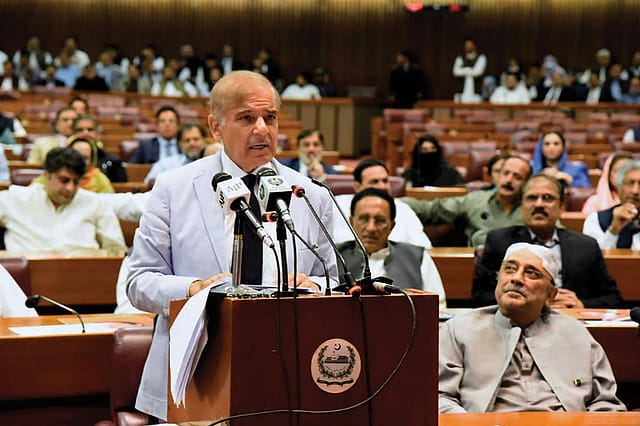
Pakistan made headlines when its finance minister announced the removal of an 18 per cent sales tax on menstrual pads and tampons. Celebrated as a breakthrough for menstrual health rights, the move raises an equally urgent question: for millions of women who cannot afford sanitary products in the first place, will it change anything at all?
What Is the Period Tax and Why Did It Matter?
The period tax was an 18 percent sales tax on commercially made menstrual pads and tampons in Pakistan. Critics argued it treated essential hygiene items as luxury goods, pushing already unaffordable sanitary products further out of reach for low-income women, as per The New York Times.
Who Challenged It and What Changed?
Activists and lawyers Mahnoor Omer and Ahsan Jehangir Khan jointly filed a petition in the Lahore High Court demanding sanitary products be declared essential items. She was recognised as one of Time magazine's women of the year. According to The New York Times, her campaign prompted Finance Minister Muhammad Aurangzeb to announce the abolition of the period tax, calling menstrual pads "indispensable for women's health and dignity."
Greening the Future
23 Jul 2026 - Vol 05 | Issue 30
Securing a sustainable India
How Severe Is Period Poverty in Pakistan?
According to UNICEF, only 12 percent of menstruating women in Pakistan use commercially made sanitary pads. One in five Pakistani girls misses school because of her menstrual cycle, with worn rags and unhygienic cloth remaining the default in rural areas.
Will Removing the Tax Make Pads Affordable?
Not sufficiently. According to UNICEF estimates, taxes account for roughly 40 percent of the total price of sanitary products. Omer has argued that remaining duties must also be removed before prices meaningfully drop for ordinary women, as per The New York Times.
Who Benefits and Who Gets Left Behind?
The cut would largely benefit urban women with existing shop access. For poorer families, the choice between food and menstrual pads reportedly remains unchanged. A mother of three from Balochistan spends around $40 monthly on pads against Pakistan's average monthly salary of roughly $140.
Is Stigma an Even Bigger Barrier Than Price?
Students in Quetta and Mastung wait for shops to empty before requesting pads and get scolded for carrying them openly. Removing the period tax is a genuine policy win. But where menstrual pads remain both unaffordable and socially unspeakable, the harder work has only just begun.
(With inputs from yMedia)