Len Deighton: The Spy Specialist
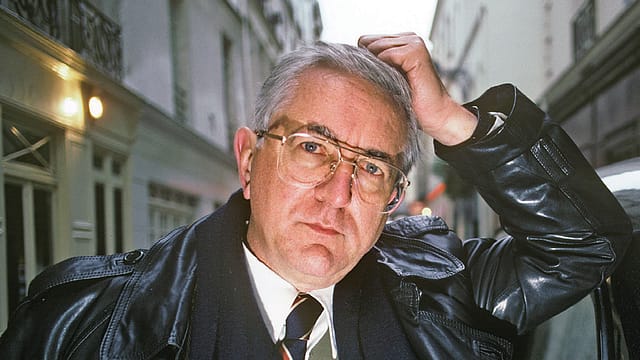
THE 20TH century’s spy thrillers were marked by two names, Len Deighton (1929-2026) and John Le Carré. They were however of entirely different moulds, both in their books and lives. Le Carré had been a spy once and brought that experience into his craft. Deighton had no such background; he wrote spy thrillers because the world interested him. That interest was fuelled way back in 1940 when he was 11 years old and a woman in his neighbourhood, who his mother cooked for, was arrested for being a spy for Nazi Germany.
His first book, The Ipcress File, was published in 1962. Its protagonist was unnamed, something that would become a trademark of his. It became a bestseller. From then on, Deighton churned out a constant stream of bestsellers. The Cold War was a fertile time for spies and his imagination reveled in it. There were no good guys, only double-crossers and triple-crossers, pen-pushing operatives pulling off intricately complicated plots, and the hero himself, usually an embittered agent who detests the environment he is operating in. All told with great attention to bureaucratic details lending an authenticity that left the reader feeling he was getting an intimate picture of the world of espionage.
Deighton had other achievements too. He became a bestselling author of cookbooks written for men in an era when men didn’t cook. He abruptly stopped writing in the mid-1990s without announcing it. He was in his mid-60s, not that old, but the Cold War, the raw material from which he wove his books, was over. That might have had something to do with it.