Keir Starmer: Lord of the Chaos
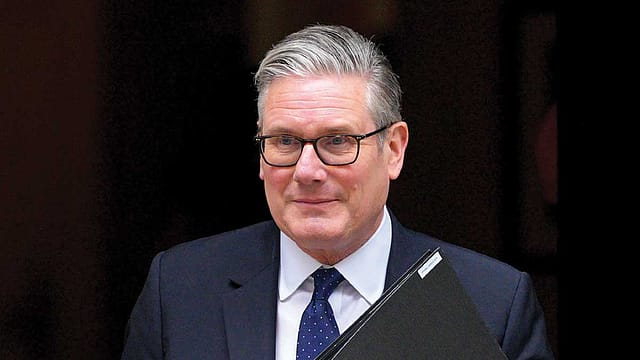
SIR KEIR STARMER brought Labour to power in July 2024 riding the manifesto ‘We Can Stop the Chaos’, a reference to the serial crises the governing Tories had plunged themselves and the UK into. Nearly two years later, chaos owns Downing Street. Labour’s historic mandate in the last general elections turned into a historic drubbing last week as the party shed hundreds of councillors, lost control of its heartlands, and suffered annihilation in Wales, where it had held power for over a quarter-century. At the time of writing, Wes Streeting had just resigned as health secretary, following other ministers who had quit the day before, piling the pressure on the prime minister to resign or open up a leadership challenge. Starmer had once seemed just the boring normality a Britain struggling to cleanse itself of Boris Johnson’s contagion needed. But his tenure has been characterised by drift, ambiguous messaging, and a series of unforced errors. He was already swamped by the backlash over the appointment of Jeffry Epstein-tainted Peter Mandelson as ambassador to the US before the electoral catastrophe.
Starmer is the third prime minister since September 2022, and the two main parties look destined to hand over the island to Nigel Farage’s right-populist Reform UK which is sweeping working-class England, once Labour’s heart and muscle. Ironically, Streeting’s parting words—“where we need vision, we have a vacuum; where we need direction, we have drift"—may have more takers among Labour MPs than in the Conservative Party whose leader Kemi Badenoch thinks Labour has “descended into civil war”. And yet, it’s not the Tories looking to reap a windfall.