Jason Arday: A Prodigy Unmade
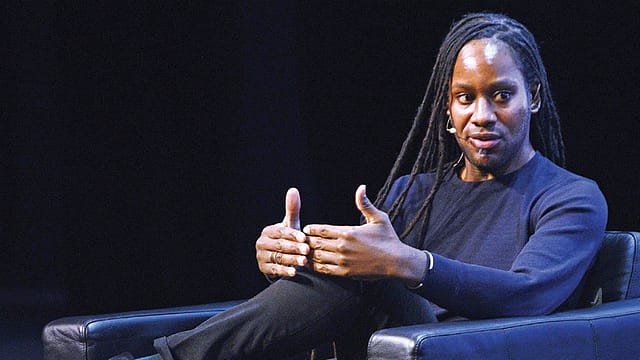
Raised on a council estate in Clapham to Ghanaian immigrant parents, unable to speak until 11 and illiterate until 18, Jason Atta Kwei Arday was said to have overcome autism and global developmental delay to become, at 37, the youngest black professor in Cambridge’s history. Arday, who was found dead in Battersea on August 14, spoke of ultra-marathons run on a fractured shin, of millions raised for charity, of a childhood diagnosis that had written him off entirely. A memoir, a Radio 4 guest editorship, and a place among the country’s most influential people followed.
But that edifice did not survive contact with scrutiny. His doctoral thesis, awarded by Liverpool John Moores University in 2015, was found to contain more than a hundred passages lifted with minor changes from an earlier thesis. Quotations recurred across his papers attributed to different sources each time. His marathon and fundraising totals were quietly revised downward once challenged, and footage of him claiming to have appeared in a documentary series predating his birth by two decades did little to help.
What distinguishes the Arday affair from a routine academic scandal is the pattern of resistance that preceded its unravelling. When David Harris, a retired Plymouth Marjon academic, first raised plagiarism concerns in 2023, Arday responded by reporting him to the police. When a London Times higher education journalist pursued similar questions two years later, he was met with a letter from defamation lawyers and the story was dropped. It took a third party, Nathan Cofnas—himself sacked by Cambridge over remarks on race—to force the allegations into the open this year, at which point the Telegraph’s investigation corroborated much of what Cofnas had found.
Arday never accepted the word plagiarist. “I’m not a liar,” he said, insisting his errors were the product of a documented reliance on mimicry rather than deceit. Cambridge, which had first dismissed the claims as a smear campaign, eventually opened an independent inquiry into his own appointment; he resigned on August 5, describing scrutiny that had “gone far beyond scholarly disagreement.”
It would be a mistake to treat what followed his resignation as vindication for either camp in the row on DEI his case reopened. The questions raised about how thoroughly institutions vet celebrated hires, particularly when those hires serve a diversity narrative an institution wants told, are legitimate ones, asked often in good faith by people not necessarily with animus towards equity itself. But legitimate scrutiny and a prolonged public dismantling of a single, evidently unwell man are not the same undertaking, and colleagues who described him in his final weeks as withdrawn, gaunt and convinced he had no way out suggest the latter overtook the former.
Cambridge's inquiry continues. Arday’s memoir, revised at the last minute to soften its more implausible claims, was published regardless. He is survived by his wife, Debbie McKenzie, and their two children.