Iran Can't have Nuclear Weapon... that is non-negotiable: Donald Trump
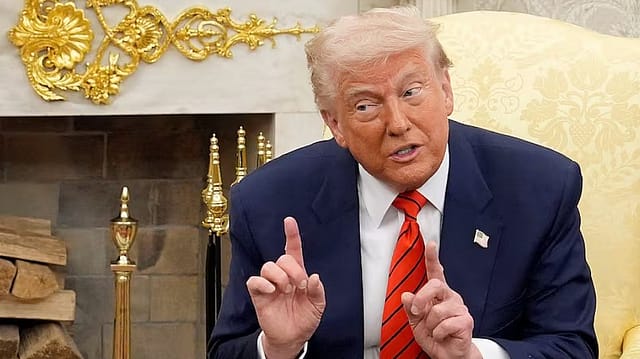
US President Donald Trump said preventing Iran from acquiring a nuclear weapon was “non-negotiable” after speaking with Qatari Prime Minister Sheikh Mohammed bin Abdulrahman bin Jassim Al Thani. Trump said Qatar and other Gulf partners favoured keeping the US naval blockade and the new operation targeting Iranian supply routes in place, even as Washington and Tehran continued talking about how to end the war.
In a separate appeal on Truth Social, Trump urged the Senate to confirm all 161 pending nominees, including 25 federal judges. The request puts a number on the appointments he wants cleared before Democrats, who won both chambers in the midterm elections, take control of Congress in January.
Trump Says Gulf Partners Want Blockade to Continue
Trump said Qatar, Saudi Arabia, the United Arab Emirates, Bahrain and Kuwait were among the countries that favoured keeping the naval blockade and Operation Iron Gate in place. The operation targets the movement of weapons, sensitive technology and sanctioned materials across Iran’s land borders and the Caspian Sea, alongside existing restrictions at Iranian ports.

The Era of Forever Wars
30 Oct 2026 - Vol 05 | Issue 44
Coping with an explosive Middle East
“All have agreed that Iran cannot have a Nuclear Weapon,” Trump wrote after the call, calling that position “non-negotiable”. His post described the Gulf governments as favouring the continuation of both measures. He gave no details on what role, if any, those countries would play in enforcement.
Qatar has been passing proposals between Washington and Tehran and trying to narrow their differences over Iran’s nuclear programme and the terms for ending the war. More than eight months after the first joint US and Israeli strikes on Iran, those issues remain unresolved. Reopening the Strait of Hormuz is also part of the discussions.
Trump Sees Progress but Keeps Strike Option Open
Trump said he saw “positive momentum toward an end to this Conflict” and considered a return to fighting unlikely at this stage. He also said US forces were “locked and loaded” if conditions changed, and asserted that Israel and the wider region were protected from Iranian threats.
Speaking to reporters after the call, Trump claimed that roughly 85% of Iran’s manufacturing capability was gone. He gave no basis for the estimate in the remarks and did not specify which industries it covered. He said Tehran was speaking to Washington and that there was a good chance the fighting could end.
In a telephone interview with CNN on Sunday, Trump said fresh strikes were “highly unlikely” if the talks made progress. “It depends on whether or not they sign a very strong agreement,” he said, referring to negotiations over Iran’s nuclear programme and the reopening of Hormuz.
Trump also said US forces had identified power plants and bridges as potential targets. He claimed the military could destroy 38 bridges in an hour, while repeating that he did not expect to have to order such an attack.
Trump Wants 25 Judges Confirmed Before Senate Changes Hands
Trump’s appeal on nominations singled out the federal bench. “Very important for the U.S. Senate to confirm all of our pending 161 Nominations, including 25 Federal Judges,” he wrote on Truth Social. The remaining nominees include candidates for administration posts.
The Constitution gives the Senate a role in approving presidential appointments. Cabinet nominees, ambassadors and federal judges require its advice and consent. The outgoing Senate still has time to act during the session before the new Congress convenes, but Trump’s post set no timetable for votes.
Once Democrats take control of the Senate in January, they will have more say over which nominations receive hearings and floor votes. Their victory in the House also puts them in a position to set that chamber’s legislative agenda and investigate the administration through committee hearings, subpoenas and inquiries into federal spending.
Democrats Gain Oversight Power as Trump Retains the Veto
Bills passed by both chambers still go to the president. Under Article I of the Constitution, Trump has 10 days, excluding Sundays, to sign a bill or return it with his objections. If he takes no action within that period and Congress remains able to receive the bill, it becomes law without his signature.
When the president issues a regular veto, the bill returns to the chamber where it originated. Congress can override him, but it takes a two-thirds vote in each chamber. The simple majorities Democrats won in the midterms fall short of that threshold on their own.
A pocket veto works differently. If Congress adjourns in a way that prevents the president from returning a bill within the constitutional window, he can let it lapse without signing it. Lawmakers cannot override a pocket veto and would have to start again. The White House can also signal its opposition earlier, through veto threats or formal statements on bills while Congress is still considering them.
Those powers apply to legislation. Senate confirmations and congressional investigations give Democrats separate ways to shape the administration’s remaining term.
With inputs from ANI