Hormuz Stays Shut: Iran Ties Reopening to End of US Blockade
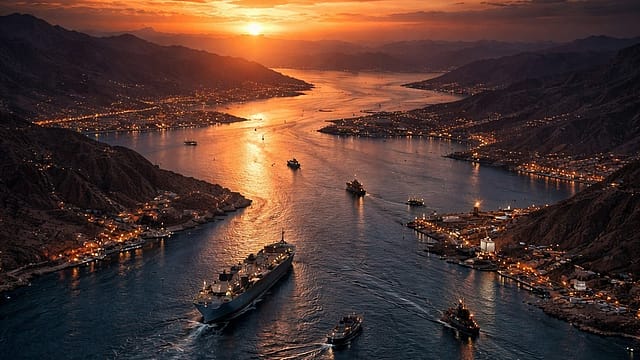
The Strait of Hormuz may have a new shipping map soon. But that does not mean the waterway is about to reopen.
Iran's Foreign Ministry made that distinction sharply clear on Monday, saying talks with Oman on a revised maritime route are progressing, but the Strait will remain closed until Tehran's broader conditions, including an end to the US naval blockade, are met.
"We are not discussing these details at this stage," Foreign Ministry spokesperson Esmaeil Baghaei said when asked about possible transit fees during the Oman talks. The bigger issue, however, is not the fee. It is who controls the waterway and under what conditions ships can pass through it.
What is Iran discussing with Oman?
Tehran and Muscat are working on the practical framework for shipping through the Strait. Baghaei said the two sides have already reached an understanding on the traffic map for a proposed route, while some technical issues remain. The talks also cover safe passage, environmental protection, maritime services and measures to combat crime. Iranian Foreign Minister Abbas Araghchi said Sunday that the technical discussions were nearing completion. But he stressed that even a final agreement with Oman would not automatically reopen the Strait.

Rise of the Pivotal Power
18 Sep 2026 - Vol 05 | Issue 38
The BRICS declaration is a strategic victory for Modi
So, what is stopping the reopening?
According to Tehran, the US naval blockade. Baghaei said the Strait was closed in response to what Iran describes as US and Israeli military aggression and argued that the waterway cannot be considered safe while the blockade and other US actions continue. "As long as the US naval blockade continues, the necessary conditions for the reopening of the Strait of Hormuz do not exist," he said. He added that Iran considers itself still at war.
What about transit fees?
For now, Iran says those details are not being negotiated. Baghaei said the focus is on establishing the mechanism for safe passage rather than deciding how potential fees would be divided. He did, however, say that maritime services would ordinarily attract compensation. In other words, the route is being negotiated before the price of using it.
Is Iran talking directly to the US?
No. Araghchi said there are currently no direct negotiations between Tehran and Washington. Intermediaries are attempting to create conditions for talks to resume. Iran says Washington must first end what Tehran describes as violations of a memorandum of understanding and make amends for those breaches.
Could the Oman deal reopen Hormuz?
Not by itself. That is perhaps the most important takeaway from Tehran's latest statements. Oman can help design the route. It cannot by itself unlock the Strait. The technical arrangements between Iran and Oman are moving forward, but the political and military conditions surrounding the waterway remain unresolved. And that leaves the world's critical energy chokepoint caught between two very different tracks: a shipping mechanism that is inching towards agreement, and a geopolitical confrontation that is nowhere near settled.
(With inputs from ANI)