Hormuz Breakthrough? US, Iran Close to Interim Deal to Reopen Vital Shipping Route: Report
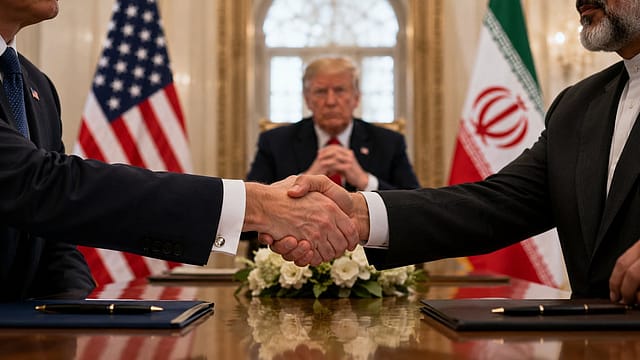
The United States is closing in on an interim agreement with Iran and Oman to reopen the Strait of Hormuz, a breakthrough that could ease weeks of escalating tensions in one of the world's most critical energy corridors and revive stalled diplomatic talks between Washington and Tehran.
According to Axios, the White House is aiming to announce the agreement as early as Wednesday, citing two regional sources and a US official.
The proposed deal is designed to restore the ceasefire between the United States and Iran, which collapsed last month, and create the conditions for fresh negotiations over Tehran's nuclear programme.
The draft framework reportedly envisages a 60-day interim arrangement between Oman and Iran to regulate maritime traffic through the Strait of Hormuz, with an option to extend the agreement.

The Health and Wellness Issue
25 Sep 2026 - Vol 05 | Issue 39
Under the proposal, inbound vessels entering the Gulf would use a northern shipping lane in Iranian waters, while outbound traffic towards the Arabian Sea would pass through a southern lane in Omani waters in coordination with Iran. No transit fees or tolls would be charged during the interim period.
The plan also includes clearing naval mines from the central shipping lane within 30 days, allowing both inbound and outbound traffic to eventually use the same corridor under a permanent agreement that Oman and Iran would negotiate later.
The breakthrough follows US President Donald Trump's decision over the weekend to hold back threatened large-scale military strikes against Iran after consultations with Gulf partners, opting instead to give diplomacy another opportunity. Trump had, however, warned that military action remained an option if negotiations failed.
Axios reported that a similar understanding had nearly been reached about three weeks ago but collapsed after Iran allegedly resumed attacks on commercial shipping, triggering renewed hostilities and bringing the region close to a wider conflict.
The latest negotiations have reportedly involved mediation by Oman, with support from Qatar, Saudi Arabia and Pakistan, while the White House remained closely engaged throughout the process.
According to Axios, US Special Envoy Steve Witkoff held multiple rounds of talks with Iranian Foreign Minister Abbas Araghchi and Omani Foreign Minister Badr al-Busaidi in recent days to finalise the agreement.
The report added that Araghchi had agreed in principle over the weekend but required approval from Iran's Supreme Leader Mojtaba Khamenei and the country's Supreme National Security Council. Two regional sources and a US official told Axios that the approval process was completed on Tuesday, bringing the parties to the brink of a formal announcement.
(With inputs from ANI)