Hands Off Naruto: Japan's Anime Backlash Against Donald Trump Is Only Getting Louder
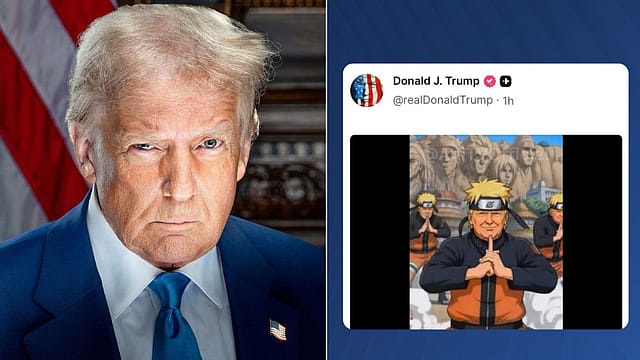
When the White House started posting videos mixing US military footage with clips from Yu-Gi-Oh! and Dragon Ball, and Donald Trump shared a video depicting himself as Naruto Uzumaki, fans across Japan took notice.
What followed was not just online outrage but an organised reckoning over who gets to use anime, what these characters stand for, and whether political figures can weaponise beloved fictional icons without consequence.
What Did Donald Trump Do With These Anime Characters?
The backlash in Japan began in March when fans noticed a pattern in White House social media posts.
The official White House X account released videos combining footage of US military strikes on Iran with clips from Yu-Gi-Oh! and Dragon Ball. A separate post featured "Make America Great Again" over a screengrab from a Pokemon video game.
The Health and Wellness Issue
25 Sep 2026 - Vol 05 | Issue 39
Trump later shared a video on Truth Social depicting himself as Naruto Uzumaki, one of anime's most iconic characters.
How Large Has the Backlash in Japan Grown?
Nearly 20,000 people have signed an online petition demanding that Donald Trump and the White House respect Japanese manga and its creators.
The petition has continued growing across fan communities internationally.
Who Started the Petition and What Are They Demanding?
Kanagawa resident Nana Suzuki, a 34-year-old anime fan, launched the petition.
She told the BBC that Yu-Gi-Oh! creator Kazuki Takahashi, who passed away after attempting to rescue someone at sea, had his legacy pulled into a military context without consent.
What Do the Rights Holders Have to Say?
Pokemon Company International has been the most direct. According to the BBC, spokesperson Sravanthi Dev confirmed the White House had no permission to use its imagery, adding that the company's mission is to bring the world together and is not affiliated with any political agenda.
Why Does This Dispute Matter Beyond Fan Outrage?
Anime characters carry specific values and cultural meaning built over decades.
Using them in political or military contexts without permission undermines both copyright law and authorial intent. As anime grows into a dominant global cultural force, its fan communities are clearly willing to defend it.
(With inputs from yMedia)