Erdogan Signs Off on Mecca Defence Pact, Binding Türkiye to Saudi Arabia and Pakistan
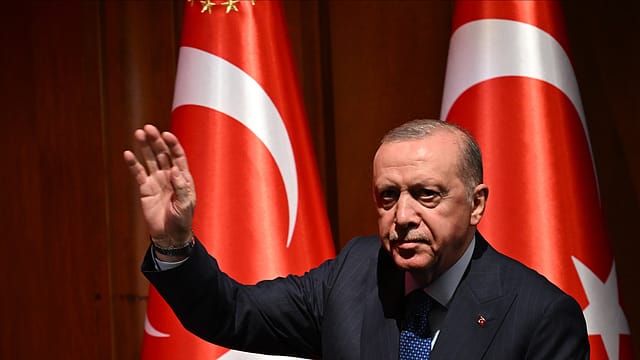
Turkish President Recep Tayyip Erdogan has completed Türkiye’s ratification of the Mecca Joint Defence Agreement with Saudi Arabia and Pakistan, Al Jazeera reported. His signature follows a November 5 vote in the Turkish parliament approving the treaty, which brings NATO’s second-largest military into a mutual defence pact with Riyadh and Islamabad.
The most immediate implications are for Saudi Arabia, which has faced repeated attacks from Yemen’s Iran-backed Houthi forces. The three governments agreed in October to activate their collective defence commitments and move military resources to the kingdom. With ratification complete, Ankara can now expand the defence and logistical support it provides to Riyadh.
Anatomy Of A Stillborn Revolution
20 Nov 2026 - Vol 01 | Issue 01
Whatever Happened To The Cockroach Janta Party?
What Ankara has agreed to
Erdogan, Saudi Crown Prince Mohammed bin Salman and Pakistani Prime Minister Shehbaz Sharif signed the pact in Mecca on August 7. The summit statement set out its central commitment: the three governments would regard an armed attack against any one of them as an attack against all three.
The agreement leaves the military response to such an attack open. It establishes a framework for the countries to coordinate their defence and deter attacks, while leaving decisions about the forces and capabilities each would contribute to subsequent discussions. The leaders identified peace, stability and security in the region and beyond as the pact’s broader aims.
For Türkiye, parliament’s November 5 vote was the substantive domestic approval. Erdogan’s formal endorsement completed that process. Ankara is not currently expected to send combat troops into Saudi Arabia or Yemen, Al Jazeera reported. Any such deployment would have to go back to Turkish lawmakers for separate authorisation.
Houthi attacks prompted an emergency meeting in Riyadh
The first major decision on how to put the August agreement into effect came in October. Saudi Arabia convened an emergency meeting of the alliance’s political and defence committee in Riyadh as Houthi attacks continued. The three governments discussed threats to Saudi cities, civilian facilities and economic installations. They also condemned what they described as an attempt by the Houthis to target the holy cities of Mecca and Medina.
Saudi Defence Minister Prince Khalid bin Salman Al Saud said the meeting had reaffirmed the three countries’ solidarity over the attacks on the kingdom and its holy sites. “The committee agreed to activate collective deterrence measures within the framework of the Alliance in response to the attacks and all those responsible for them,” he wrote on X.
The joint statement went further on what the partners intended to do. It called for an “immediate transition to the practical implementation of collective defense commitments”. The three countries agreed to make available the forces and military capabilities they had previously discussed and “to swiftly deploy them in the Kingdom”.
A Pakistani general takes the alliance’s first permanent post
The Riyadh committee also appointed retired Pakistan Army Lieutenant General Numan Mahmud as the alliance’s first secretary-general. He will serve a three-year term, giving the new grouping an official responsible for its work beyond the meetings of ministers and heads of government.
For Riyadh, the October decision secured a commitment from its partners to help defend Saudi territory. Erdogan’s signature now allows Ankara to act on that commitment through expanded military and logistical assistance. The question of Turkish combat troops remains a decision for parliament.
With inputs from ANI