Dolly Parton (1946-2026): A Coat of Many Colours
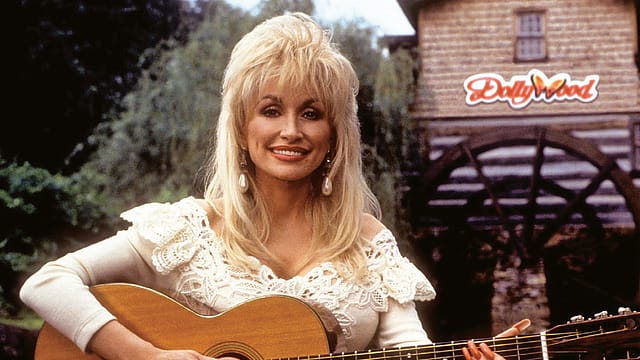
DOLLY PARTON HAD turned an Appalachian childhood of near-abject poverty into six decades of musical dominion. When she died on August 25 in Nashville at 80 after a brief battle with cancer, it was the shuttering of an institution. Born in 1946 in a one-room cabin in the Great Smoky Mountains, the fourth of 12 children, Parton’s origins were the stuff of country-music mythology. Because they were true. Poverty was not an aesthetic later repurposed but lived reality, immortalised in ‘Coat of Many Colors’, her ballad of a mother’s improvised love: “I recall a box of rags that someone gave us / And how my momma put the rags to use”. Church pews, not conservatoires, were where she first sang, and that raw, unschooled vibrato never quite left her voice.
Parton’s breakthrough came via Porter Wagoner’s television show in the late 1960s, but it was as a solo force that she became indelible: ‘Jolene’ and ‘I Will Always Love You’ remain among the most covered songs in American popular music, the latter later eclipsing its author commercially from Whitney Houston’s lips without losing Parton’s authorship of its ache. Duets defined her middle career—most memorably ‘Islands in the Stream’ with Kenny Rogers, a pairing so effortless it became shorthand for musical chemistry. Offstage, she was married to Carl Dean for 58 years, a man so allergic to publicity that his rare public sightings became newspaper events. His death in 2025 hollowed her final year. Parton leaves behind Dollywood, the Imagination Library, and a body of songwriting that fused sentiment with sharp, unsentimental craft. Call it rhinestones over granite.