CENTCOM Tightens Grip: 118 Vessels Diverted Amid US Blockade of Iranian Ports
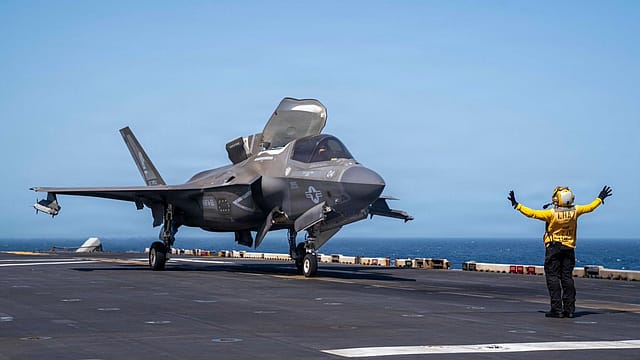
The United States Central Command (CENTCOM) has announced that American forces have redirected 118 commercial vessels and disabled five others as part of Washington's active naval blockade aimed at Iranian ports.
American forces established a naval blockade of Iran on 13 April.
The US military "has redirected 118 commercial vessels and disabled 5 as of May 31," CENTCOM stated on Sunday in a post on X.

Zeroing In on ECI
09 Oct 2026 - Vol 05 | Issue 41
Constitutional legitimacy versus political opportunism
Following the implementation, US Central Command warned that they will continue blocking the movement of all ships heading both to and from Iranian ports.
This aggressive enforcement on the high seas unfolds even as diplomatic channels show signs of deep strain.
What tougher nuclear commitments and Strait of Hormuz conditions is Trump seeking in the US-Iran deal?
Days after declaring a proposed agreement with Tehran "largely finalised", US President Donald Trump has reportedly returned the draft text for extensive modifications, extending the diplomatic process and injecting fresh ambiguity into efforts aimed at halting the confrontation.
According to CNN, Trump requested tougher provisions on Iran's nuclear commitments and the reopening of the Strait of Hormuz during a meeting with advisers.
The US President has reportedly also expressed concern over the extent of financial relief that could be offered to Tehran under any agreement, wary of comparisons with the Obama-era nuclear deal, which he has repeatedly criticised as too lenient.
The latest round of changes comes a week after Trump said the deal was "largely finalised" and indicated that an end to hostilities was imminent.
Since then, US officials have signalled progress towards an agreement that would halt fighting, reopen the strait, and allow for further detailed negotiations on Iran's nuclear programme.
However, despite Trump stating he would make a "final determination" during Friday's meeting and outlining some conditions on social media, the two-hour session concluded without a decision.
In his message, Trump said the US would seize Iran's stockpile of highly enriched uranium and destroy it, though Iran has consistently said it is not discussing details of its nuclear programme under the current talks.
Trump also said there had been no discussion of exchanging money as part of the deal, while Iran has said financial provisions must be included in any agreement.
How these differences will be resolved remains unclear as negotiations continue over the wording of the deal.
(With inputs from ANI)