Apple May Raise iPhone Prices as AI Boom Triggers Global Memory Chip Shortage
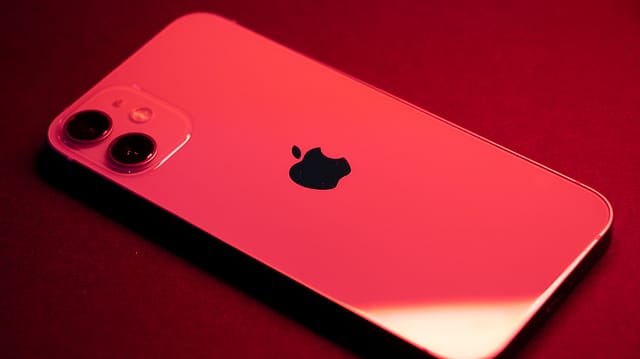
Apple could increase prices across some of its product lineup as the company grapples with rising memory and storage chip costs fueled by the global artificial intelligence boom. Speaking to The Wall Street Journal, outgoing Apple CEO Tim Cook said the company has absorbed significant cost pressures for as long as possible, but mounting expenses are making that increasingly difficult.
AI Boom Sparks Surge in Memory Chip Costs
Apple is facing growing pressure from a sharp rise in the cost of memory and storage chips, a critical component used in devices such as iPhones, iPads, and Macs.
In an interview with The Wall Street Journal, Tim Cook described the current situation as “unsustainable,” highlighting the strain that escalating component prices have placed on the company. He said Apple has worked hard to shield consumers from higher costs and has “done everything to shield customers” while attempting to absorb price increases imposed by suppliers.

Greening the Future
23 Jul 2026 - Vol 05 | Issue 30
Securing a sustainable India
Despite acknowledging the challenge, Cook declined to specify which products could be affected by potential price increases.
The surge in chip costs is being driven largely by the rapid expansion of artificial intelligence technologies. Demand for advanced AI systems has soared as businesses increasingly deploy enterprise AI solutions and agentic AI applications. These systems rely on massive data centres packed with AI servers containing graphics processing units (GPUs), central processing units (CPUs), memory chips, and storage chips.
Apple Faces Growing Competition for Chip Supplies
The explosion in AI-related infrastructure spending has intensified competition for semiconductor supplies worldwide.
Major cloud and AI players, including Amazon Web Services (AWS) and Alphabet, have significantly increased capital expenditure as they build out computing infrastructure to train and run increasingly sophisticated AI models. This surge in demand has created supply constraints for consumer electronics manufacturers such as Apple, which rely on many of the same memory components.
The company is expected to unveil the iPhone 18 lineup in September, with reports suggesting that Apple may also introduce a foldable smartphone. However, securing sufficient supplies of memory and storage chips remains a growing challenge as AI hyperscalers continue to dominate demand.
Meanwhile, leading memory-chip manufacturers have benefited enormously from the boom. South Korea's SK Hynix and Samsung, along with U.S.-based Micron, have seen their share prices climb sharply as demand for advanced memory products accelerates.
Chipmakers Race Ahead With Next-Generation Technology
As demand intensifies, chipmakers are rapidly advancing memory technology to meet the requirements of next-generation AI systems.
SK Hynix recently sent samples of its latest high-bandwidth memory (HBM) chips to customers. According to a Reuters report, the company's next-generation 12-layer HBM4E chip can achieve speeds of up to 16 gigabits per second per pin while delivering more than 20 per cent greater power efficiency than its predecessor.
The development underscores how AI-driven demand is reshaping the semiconductor industry, creating new opportunities for chip manufacturers while increasing costs for consumer technology companies such as Apple.
With memory prices continuing to rise and competition for supply showing little sign of easing, Apple may soon have to decide whether to pass a portion of those costs on to consumers.
(With inputs from ANI)