Alan Greenspan: Steward of the Boom
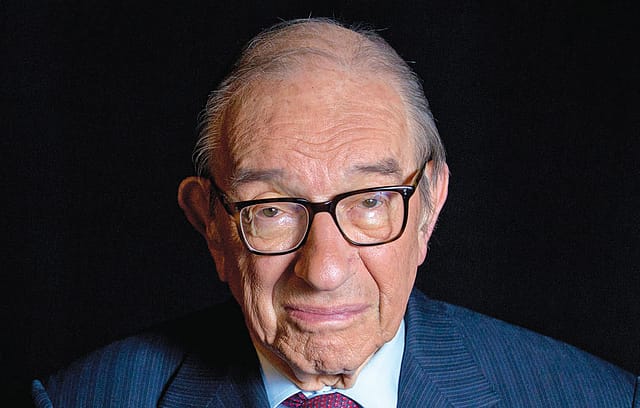
As Federal Reserve chairman from 1987 to 2006, Alan Greenspan (1926-2026) carefully used monetary policy to engineer his country through the greatest period of its prosperity. Coming from regular middle-class roots, he had already made his reputation and wealth, beginning in the mid-1950s, as a consultant doing economic forecasting for companies. He was an adviser to presidents before Ronald Reagan appointed him as the Fed chair.
Politicians like interest rate cuts because they bolster the economy and create jobs that win them elections. But they can also lead to inflation. Greenspan was not a flamboyant personality but firm about preserving the independence of his chair to make decisions. George HW Bush disliked him because he didn’t get enough rate cuts but that didn’t stop his son, George W Bush, from continuing with Greenspan when he became president. The markets liked him because his primary instinct was to set them free.
He knew markets could be greedy and faulty but had faith in their ability to eventually correct themselves. This worked all the way up to his retirement, but two years later came the great 2008 investment banking bust. A lot of blame fell on Greenspan because the shenanigans that brought the downfall began in his time. But he deftly negotiated the economy through the crisis that he had to deal with while in office, like the 2001 dotcom bust. When Greenspan passed away at the age of 100 years, his legacy remains as someone who held America’s hand through extraordinary growth.