Unrestricted AI: Meta is pushing for open source AI models with the release of Muse Glimmer
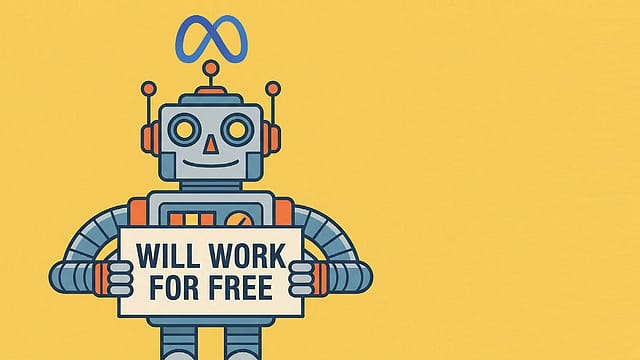
A sharp, almost ideological divide has emerged in Silicon Valley over the direction of AI development in recent times. Anthropic and OpenAI want AI models to remain ‘closed’, arguing that models need to be safely developed in a contained manner. Meta, Nvidia, Google and Microsoft argue that this will concentrate AI power in the hands of a few companies, and that the models should be ‘open source’, which is tech-speak for models that can be downloaded and modified by users. This debate has been triggered to a large degree by the arrival of inexpensive, open-source Chinese models that are nearly as good as the most advanced ones from the US.
Meta has now backed up its words by launching an open-source version of its most advanced AI model (Muse Spark) that was released just a month ago. Called Muse Glimmer, it is identical to Muse Spark and can generate code, text and images. What makes Muse Glimmer interesting is that unlike many models, it does not rely on distant data centres. It is, in fact, designed to run locally on your desktop or laptop with a single consumer GPU, which is a big shift from other models.
Meta had taken an open-source approach in the past, but changed tack
when the likes of OpenAI and Anthropic
pulled ahead. It is now returning to its earlier position. How this approach pans out will have an important bearing on the development of AI.