SpaceX’s Reality Call
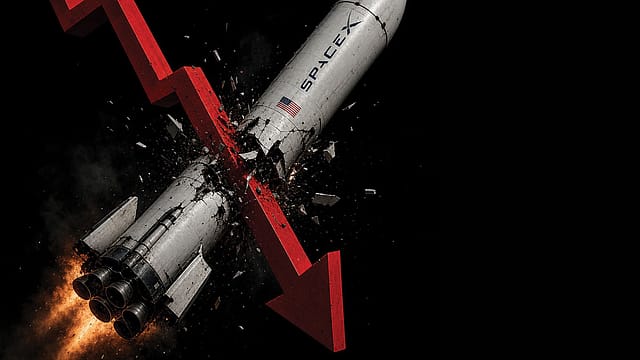
A recent exchange on X indicates the scale of Elon Musk’s ambition. He wrote: “In the future, a trillion times a trillion dollars will be spent on making antimatter to travel to other star systems”. To which NASA chief Jared Isaacman replied: “I support antimatter propulsion.” This technology does not exist anywhere in the near or distant horizon, but it is on the back of such ideas that SpaceX is valued at around $2 trillion today following its recent IPO despite not making a profit. It is, however, meeting the hard reality of the market.
After an explosive start that saw the stock go from its IPO price of $135 to $225, the price nosedived by nearly 30 per cent. Behind SpaceX’s huge valuation was Musk’s record of converting pathbreaking ideas to scale, like Tesla electric cars. In this case, he merged two disconnected industries, space services and artificial intelligence. AI companies like Google were already commanding trillions in valuation bringing SpaceX into that group. Even though the space business makes profits driven by its internet service Starlink, the AI arm guzzles cash, which is the reason why SpaceX remains loss-making. After the euphoria, the market also seems to be having questions about how to value it.