Netflix Walks Away from Warner Bros Deal: What It Means for Paramount’s $108 Billion Bid
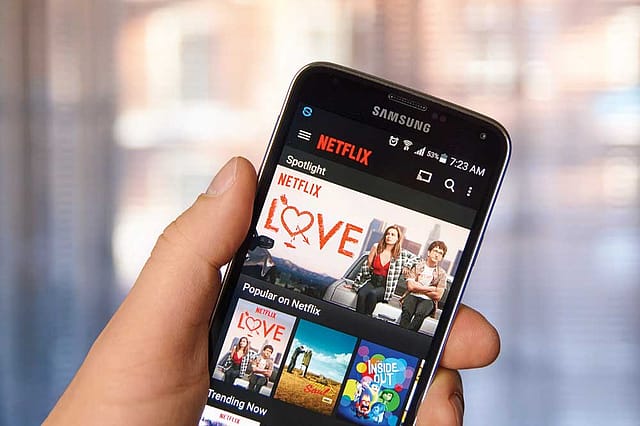
A high-stakes Hollywood bidding war has taken a dramatic turn after Netflix declined to raise its offer for Warner Bros. Discovery, effectively clearing the runway for Paramount Global to pursue a full-scale takeover. The move could reshape the global entertainment landscape and intensify regulatory scrutiny.
Why did Netflix walk away from the Warner Bros. deal?
The turning point came after Warner Bros. Discovery’s board said Paramount’s revised offer was superior to the agreement it had previously reached with Netflix.
Netflix, which had agreed in late 2025 to acquire Warner’s studio and streaming assets for USD 27.75 per share as part of an approximately USD 83 billion deal, declined to match the new terms. The streaming giant said the revised price required to complete the deal was “no longer financially attractive.”
In a joint statement, co-CEOs Ted Sarandos and Greg Peters said, “We believe we would have been strong stewards of Warner Bros.' iconic brands. But this transaction was always a 'nice to have' at the right price, not a 'must have' at any price.”
They also thanked Warner leadership, even as the board pivoted toward Paramount’s sweetened proposal. Warner had repeatedly backed the Netflix deal since December, and even while acknowledging Paramount’s superior offer, it initially said it stood by its earlier recommendation.
What is Paramount offering that Netflix was not?
Unlike Netflix, which sought to acquire only Warner’s studio and streaming business, Paramount is aiming to purchase the entire company.

Youth Issue 2026
24 Apr 2026 - Vol 04 | Issue 68
50 Portraits of Icons and Achievers
Paramount raised its bid to USD 31 per share, bringing its full takeover offer to approximately USD 108.4 billion. This would include assets Netflix had intended to leave behind, such as legacy cable networks.
If completed, the merger would combine two of Hollywood’s five remaining legacy studios. Warner’s portfolio includes blockbuster films such as “Superman” and “Barbie,” as well as hit series like “The White Lotus” and “Succession.” It also controls HBO Max and CNN.
Paramount’s lineup features major franchises including “Top Gun,” “Titanic” and “The Godfather.” The company also owns CBS, MTV, Nickelodeon and the Paramount+ streaming service.
A combined Paramount-Warner entity would significantly expand its theatrical, television and streaming footprint, reshaping the competitive dynamics of the entertainment industry.
How did this turn into a bidding war?
The conflict began in late 2025, when Netflix struck what was described as a “friendly” agreement to acquire Warner’s premium content and streaming assets for around USD 83 billion. The plan envisioned merging the streaming platforms while spinning off Warner’s older cable networks into a separate entity.
However, the situation escalated when Paramount, recently merged with Skydance Media, launched a counter-offer to acquire the entire company outright for USD 108.4 billion.
The battle quickly intensified. While Warner’s board initially favoured the Netflix transaction, Paramount “sweetened the pot” to win over shareholders. On February 10, Paramount pledged to cover the USD 2.8 billion breakup fee Warner would owe Netflix for exiting their agreement. It also enhanced its “ticking fee” arrangement.
Previously, Paramount had committed to paying shareholders 25 cents per share for every quarter the deal extended beyond the end of the year. It has now agreed to begin paying that amount if the deal does not close by the end of September.
To further strengthen its position, Paramount agreed to a regulatory termination fee of USD 7 billion, signalling confidence in its ability to navigate potential antitrust hurdles.
What are the antitrust and regulatory concerns?
The proposed Paramount-Warner combination has triggered significant scrutiny in the United States and abroad.
The United States Department of Justice has initiated reviews of the transaction, and regulators in other countries are expected to follow. Lawmakers and entertainment trade groups have raised concerns that the merger would further consolidate power in an industry already dominated by a handful of media giants.
Paramount executives have argued that the merger would benefit consumers and strengthen the broader industry. Critics, however, warn that combining two legacy studios with vast libraries and distribution networks could reduce competition and limit consumer choice.
What happens next?
With Netflix stepping aside, Paramount now stands as the leading bidder for Warner Bros. Discovery. However, the outcome is far from certain.
The deal must clear shareholder approvals and withstand rigorous antitrust reviews. Given the scale of the proposed transaction and the concentration it would create across film, television and streaming, regulators are likely to examine it closely.
If approved, the merger would mark one of the largest consolidations in modern media history, potentially redrawing Hollywood’s power map for years to come.
(With inputs from ANI)