Mark Zuckerberg: A Metamorphosis Foretold
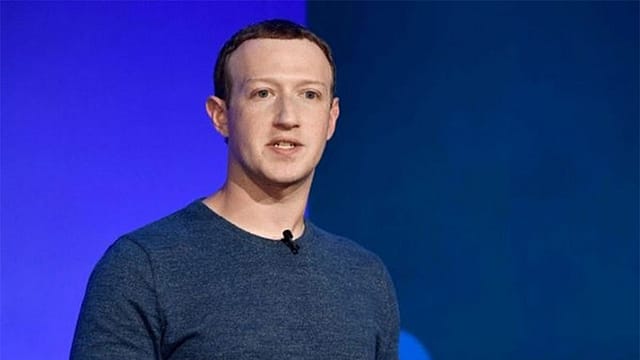
Twenty-two years since he built his fortune from a Harvard dorm room, Mark Zuckerberg now presides over a company answering simultaneously for what it built and for what it may have known all along. And it’s still trying to convince the world it hasn’t fallen behind. Meta, of course, is back in court. The charge this time is more damning than any antitrust complaint: that Meta built its apps to hook children and then hid the harm. Features such as infinite scroll, autoplay and the ‘like’ count were, allegedly, engineered to keep young users compulsively engaged, while Meta knew, and concealed, the toll on adolescent mental health.
The company has already been made to pay for this once: a New Mexico jury imposed a $375 million penalty in March, and a judge in the same state added a further $567 million this month. Internal records placed in court have repeatedly shown Meta’s own researchers flagging the risks to teenagers.

Zeroing In on ECI
09 Oct 2026 - Vol 05 | Issue 41
Constitutional legitimacy versus political opportunism
Set against this, the antitrust case Meta won last November looks like an old grievance, ssettled on outdated terms. The child-safety trials speak to something more urgent: not how Zuckerberg built his empire but what his platforms have been quietly doing to trapped people. That empire, meanwhile, is fighting a separate, equally public battle to stay relevant. After Llama 4’s disappointing reception left Meta trailing OpenAI, Anthropic, Google, and DeepSeek, Zuckerberg answered with nine-figure signing bonuses, the acqui-hire of Alexandr Wang, and a research arm rebranded around “superintelligence”. Billions in fresh spending hasn’t yet produced a leading model. The Zuckerberg of 2004 might have read the writing on the dorm wall.