Chamath Palihapitiya Warns of AI Debt Bubble Amid Private Credit Surge
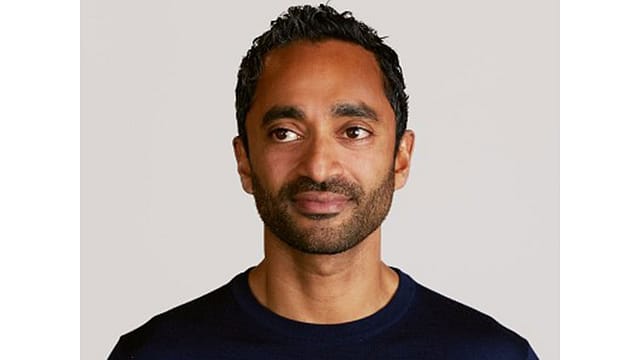
The race to build artificial intelligence infrastructure is becoming increasingly dependent on borrowed money, raising questions about whether lenders are adequately accounting for the risks, investor Chamath Palihapitiya has warned.
In a post on X, the CEO of 8090 and Social Capital questioned whether private credit’s growing role in funding chips, data centres and other AI infrastructure could fuel a bubble.
“The AI buildout is increasingly funded by debt, and private credit is playing a much bigger role than it did even a year ago,” he wrote.
His concern centres on a potential mismatch: companies are taking on substantial financial commitments today, while the returns needed to support them depend on future AI demand and profitability.

Zeroing In on ECI
09 Oct 2026 - Vol 05 | Issue 41
Constitutional legitimacy versus political opportunism
ONE DEAL BIGGER THAN A QUARTER’S CORPORATE LENDING
To illustrate the scale, Palihapitiya cited a $35 billion financing vehicle led by Apollo and Blackstone in the second quarter of 2026 to purchase chips and lease them to Anthropic.
UBS described the arrangement as the largest private credit deal on record, according to his post.
“For comparison, direct lenders made about $23 billion of loans to private-equity-backed U.S. companies that quarter,” he added.
Financing requirements could rise further. S&P Global forecasts that Alphabet, Amazon, Meta, Microsoft, Oracle and SpaceX (xAI) will collectively spend around $870 billion in 2026 and more than $1.3 trillion in 2027, with borrowing, leases, equity issuance and other funding sources helping meet the bill.
ARE LENDERS CHARGING ENOUGH FOR THE RISK?
Palihapitiya pointed to the rapid expansion of direct lending to US borrowers, which rose from $96 billion in 2010 to $2.4 trillion in 2025—roughly 25 times its earlier size.
Within that market, lending to US software and technology companies increased from $22 billion to more than $1 trillion over the same period, he said.
Yet the premium charged for AI-related lending appears only marginally higher than for other private loans.
He cited January findings from the Bank for International Settlements showing that private loans to AI-related companies carried an average spread of 6.2 percentage points above the base rate, compared with 6.1 percentage points for other private credit loans.
That narrow difference could mean “lenders are underestimating AI-related risks, equity investors are overestimating future profits, or both”, Palihapitiya said.
PRESSURE ON BOTH SIDES OF THE AI BET
The risks extend beyond companies building AI infrastructure.
Established software businesses that have borrowed through private credit markets could see AI disrupt their revenues, weakening their ability to repay. Meanwhile, companies spending heavily on AI could struggle with repayments if their investments take longer than expected to generate returns.
Lenders could therefore face pressure from both businesses challenged by AI and those betting on its expansion.
Palihapitiya nevertheless noted that investors were already differentiating between financing arrangements.
“The market is also already distinguishing among these deals,” he said, pointing to differences in their trading prices.
Social Capital’s research examines refinancing risks, investor withdrawals and the structure of individual AI financing deals to assess where financial stress could emerge as investment expands.
With inputs from ANI