Sportswashing: Meaning, History and Why It Remains So Controversial
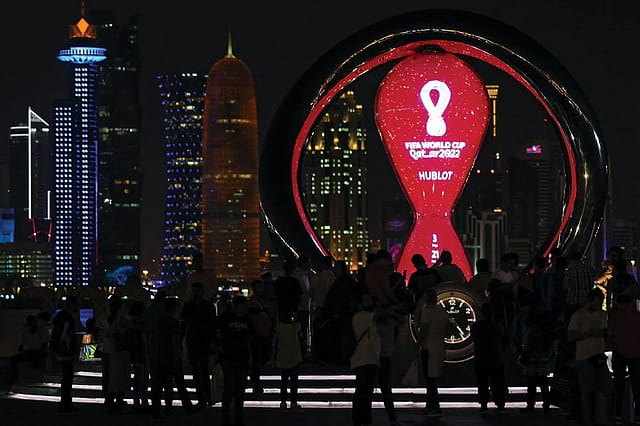
Sportswashing is a documented, decades-old strategy through which governments and regimes use the global popularity of athletic events to deflect scrutiny from human rights abuses and political repression. The tactic works because sport is widely perceived as neutral territory, and that perception is precisely what makes it so useful.
What Is Sportswashing and Where Did the Term Come From?
The term was coined in 2015 as a portmanteau of "sports" and "whitewash," first applied to Azerbaijan's use of the European Games to divert attention from its human rights record. It entered mainstream usage around 2018 when Amnesty International used it to describe Russia's hosting of the Sochi 2014 Olympic Winter Games and the 2018 World Cup.
Did Nazi Germany Invent Sportswashing?
The most historically notorious example predates the term itself. According to Britannica, the 1936 Berlin Olympic Games saw Hitler's regime assure the International Olympic Committee that the Games would not promote Nazi ideology. That promise was broken. Nazi propaganda was rampant, and the regime successfully presented Germany as peaceful to foreign visitors. Three years later, Germany invaded Poland.

Losing Memory
16 Oct 2026 - Vol 05 | Issue 42
The making of a medical and social emergency
How Did Argentina's Military Junta Use Football to Hide Mass Killings?
The 1978 World Cup was hosted by a military government that killed between 10,000 and 30,000 people during what became known as the Dirty War. A junta leader reportedly said the tournament would push back against international criticism. Argentina won, and the nationalistic fervour helped sustain the regime's hold on power.
Is Qatar's World Cup the Most Scrutinised Modern Case?
According to the Australian Human Rights Institute at UNSW, the 2022 FIFA World Cup in Qatar drew intense criticism over documented exploitation of migrant workers. The Beijing 2022 Olympic Games faced similar accusations amid reported abuses of Uyghur Muslims in Xinjiang.
Does Buying Football Clubs Also Count as Sportswashing?
Saudi Arabia's Public Investment Fund purchased Newcastle United in 2021, a move widely described as sportswashing. The Saudi-backed LIV Golf series drew identical accusations shortly after.
Should Athletes Be Held Responsible for Participating?
There is no legal obligation, but the moral debate is growing. Naomi Osaka reportedly argued that athletes today hold platforms larger than ever and that visibility carries responsibility. Others have dismissed the argument entirely, calling participation a personal rather than political choice.
Why Does Sportswashing Keep Working Despite Widespread Awareness?
Since sport's emotional pull outweighs abstract geopolitics for most audiences. The popularity of events and athletes ultimately decides whether sportswashing succeeds. Until governing bodies apply stricter criteria for hosting rights, and until audiences demand accountability, sportswashing will remain a reliable tool for reputation management over genuine reform.
(With inputs from yMedia)