Remember Semra Hunter? The presenter who won over India’s World Cup viewers
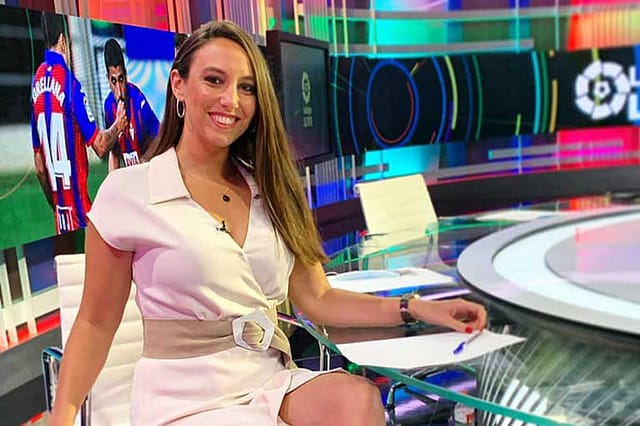
Indian viewers found your World Cup coverage in Qatar both insightful and invigorating. Will you miss broadcasting directly to that audience this time?
Absolutely. One of the things that made Qatar 2022 so special for me was the connection I built with the audience in India. I've worked all over the world, and social media means you're fortunate enough to hear from people from every corner of the globe, but I can honestly say that Indian football fans were among the warmest, kindest and most enthusiastic audiences I've ever had the pleasure of engaging with.
What struck me most was not just their passion for football, but how welcoming they were. I received so many lovely messages throughout the tournament, and there was a genuine sense of excitement and positivity around the coverage. As a broadcaster, feeling that level of appreciation makes you want to work even harder for the audience because you know they're investing their time and energy in what you're doing.
Greening the Future
23 Jul 2026 - Vol 05 | Issue 30
Securing a sustainable India
I was fortunate enough to spend five weeks in India during the World Cup, and it remains one of the highlights of my career. Beyond football itself, I fell in love with the country, the culture and the people. It was an incredible experience, both professionally and personally, and one that I look back on very fondly.
What also became clear very quickly was just how knowledgeable Indian football fans are. Their enthusiasm for the game is remarkable. They follow teams, players and storylines from all over the world, and the level of engagement was genuinely impressive. You could feel how much the tournament meant to them.
So yes, I will absolutely miss broadcasting directly to that audience. I was genuinely saddened when I heard that India wouldn't have domestic coverage this time around because I know how passionate the fans are and how much they love being part of the World Cup experience.
That said, I hope those who are able to follow the tournament still enjoy every moment of it, and I want to thank everyone who supported me during Qatar. The kindness and encouragement I received from Indian viewers is something I'll never forget.
What exactly will you be doing this time for ITV and how many countries will fall in that coverage?
This time around, I'll be wearing a few different hats. I'll be hosting some of the football coverage during the group-stage matches, but my primary role will be fronting a new entertainment- and culture-focused segment that forms part of ITV's live World Cup coverage.
I'll be hosting the segment with Adam Richman, who many people will know from Man v. Food, and what makes the concept particularly interesting is that we're both Americans who have spent much of our careers working with international audiences and, in my case, living and working across different countries and cultures.
The idea is to act as a kind of cultural bridge for viewers. Of course, football remains at the heart of everything, but a World Cup is about much more than what happens on the pitch. It's about the people, the cities, the atmosphere, the stories and the unique character of the host nation.
We'll be based in New York, primarily between Brooklyn and Manhattan, and part of our job will be helping viewers experience the tournament through a different lens. We'll be exploring the city's incredible diversity, meeting fans from around the world, highlighting different communities and showcasing the energy that only a World Cup can bring.
We'll also be welcoming celebrity guests from across sport, entertainment and popular culture, giving audiences access to conversations and perspectives that go beyond traditional football analysis.
Because the segment is embedded within ITV's live match coverage, we'll appear throughout the build-up and, in some cases, the post-match programming as well. There will also be opportunities to tell longer stories and share additional content across ITV's digital and social platforms, which gives us even more freedom to explore the personalities, cultures and moments that make a World Cup so unique.

What excites me most is that this role allows us to tell the broader story of the tournament. For many people, the World Cup is their entry point into football, and ITV wanted to create something that captures not only the matches themselves but also the culture, emotion and human stories that surround them.
In many ways, we'll be helping viewers discover the World Cup beyond the ninety minutes.
What are the learnings from Qatar and what kind of homework have you been doing this time?
I wouldn't say Qatar left me with one single lesson so much as it reinforced something I already believed about the World Cup.
One of the most remarkable things about Qatar was seeing hundreds of thousands of people from different countries, cultures and backgrounds come together in one place and share the same experience. Football can sometimes feel very divided at club level, but at a World Cup there's a unique sense of unity. Fans from every corner of the world are brought together by a shared love of the game, and I think we were able to witness that in a way that superseded many expectations going into the tournament.
If there was one takeaway for me, it's that the World Cup is always bigger than football itself. Of course, the matches matter, but so do the people, the stories, the emotions and the cultural exchanges that happen around the tournament. Those are often the moments that stay with you long after the final has been played.
As for preparation, a lot of it is exactly what people would expect: researching teams, following squad developments, understanding key storylines and keeping up with what's happening across the tournament landscape. But I also try to look beyond football.
Because this World Cup is spread across the United States, Canada and Mexico, I've spent a lot of time following the conversation on the ground, listening to what fans are saying and trying to understand the mood and expectations surrounding the tournament. Every World Cup has its own personality, and part of the job is getting a feel for that before the first ball is kicked.
For me, preparation isn't just about knowing who plays left-back for a particular team. It's about understanding the wider context of the tournament and the stories that make it meaningful to the people watching it.
Ultimately, the goal is to arrive informed, curious and ready to help bring those stories to life for the audience.
Who are the guests and co-panellists from among footballers you will be working with this time around?
ITV has assembled a stellar team for its coverage. There are some genuinely iconic football figures involved, including Roy Keane, Ian Wright, Gary Neville, Patrick Vieira, Juan Mata, Karen Carney, Emma Hayes, Ange Postecoglou and Duncan Ferguson, among others.
What I love most is the variety of perspectives they bring. Some have won major trophies, some have managed at the highest level, and others have helped shape the modern game in different ways. When you have that much experience and personality in one place, the conversations tend to be both insightful and entertaining.
As I mentioned earlier, I'll also be working closely with Adam Richman, which will be a lot of fun. Adam comes from a very different background from the traditional football world, and I think that's part of what makes the concept so interesting. He has a natural curiosity about people, places and culture, and that brings a different energy to the coverage.
One of the things I enjoy most about major tournaments is that you're constantly learning from the people around you. Whether the cameras are rolling or not, you're surrounded by individuals who have experienced the game at the highest level, and that's a privilege.
Overall, I think viewers are going to be treated to a really interesting mix of football expertise, personality and entertainment throughout the tournament.