Rebuilding Indian Football
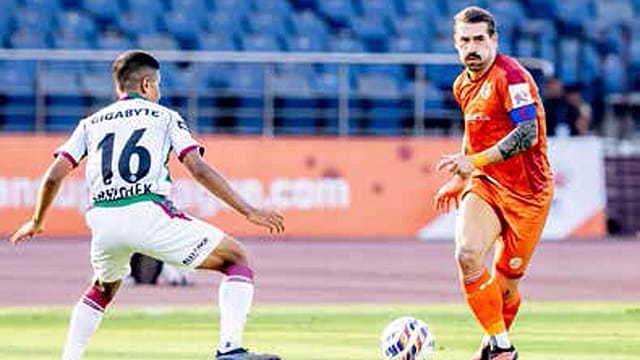
INDIAN FOOTBALL is finally back on track and we are all set to have the ISL and I-League starting in mid-February 2026. Needless to say, it is a welcome development. Having followed the story closely, it was painful to see the plight of the footballers. Each time I have spoken to a footballer in the last two months, the despondency and the dejection were apparent.
Things were dire and the sport needed a lifeline. It was good on the part of the Union Sports Ministry to step in and help solve the crisis. Having said that, what will really determine if things are back on track is a long-term solution and that’s where the onus is back on the AIFF.
This piece isn’t about blaming any one party for what happened. It doesn’t really matter who is responsible for this mess that Indian football finds itself in. Suffice it to say the sport has never been worse. So to come back from this mess, it will take a herculean effort. And every stakeholder needs to come forward and make a sacrifice. While the AIFF is willing to put its hand up and pay a portion of the costs, the clubs too have agreed to share the load and absorb losses. That’s where the focus shifts to the players. With assured broadcast revenue from FSDL, the player salaries were pegged at a certain standard in India. Now with no FSDL in the picture, the salaries are unaffordable. While some clubs like Mohun Bagan Super Giant, Jamshedpur FC or Bengaluru FC can manage to pay existing salaries, clubs like Kerala, Chennai or Odisha will struggle.
Survival Instinct
22 May 2026 - Vol 04 | Issue 72
India navigates global economic turmoil with austerity and smart diplomacy
The truth is, a course correction is needed in player salaries as well. As stakeholders, the players too need to absorb some of the losses and this is one important step that needs to be taken in the days ahead. The second and perhaps the most important step is finalising a long-term commercial partner for Indian football. For 15 years, FSDL shouldered the responsibility and, may I say, absorbed huge losses in doing so. The truth also is, they haven’t been given due credit for what they have done. Now that they aren’t there, it is evident how critical the support actually was. For the sake of Indian football, FSDL and AIFF need to come together. The AIFF is now on record to suggest that on February 20, it will float the tender for a long-term partnership and by the end of March, the long-term partner will have been identified. While the dates are welcome, the truth is, the first tender that was floated in October did not yield desired results. Will a commercial partner come forward this time to back the sport? Will FSDL once again step up for the cause of the sport and will the AIFF go the extra yard to request them to do so?
The welfare of the sport will depend on the long-term commercial partner coming forward to help out a cash-strapped AIFF. A one-time truncated league is a stop-gap solution. It can never be the norm and all the energy now needs to be focused to put in place the longterm roadmap for the sport.
I, for one, am optimistic. India is all set to host the 2030 CWG and the Prime Minister is bullish about a strong 2036 Olympic bid. In such a scenario, to think that Indian football will not have a commercial partner in the long run doesn’t seem feasible. How the AIFF markets things is yet to be seen, but on the face of it, the product does have potential. The club owners too need to believe in the product and agree to think in an innovative manner. While the FSDL cushion isn’t there anymore, it is also an opportunity for the stakeholders to evolve a system which is robust and sustainable.
The start date of the league is a lifeline the sport needed. It will mean the players will get back to where they belong. But in all this, the focus can never move from the long-term solution, for that’s the only way Indian football can be truly salvaged.