India vs New Zealand T20 Series: Butterfingers, Costly Drops & Thrilling 3-2 Outcome
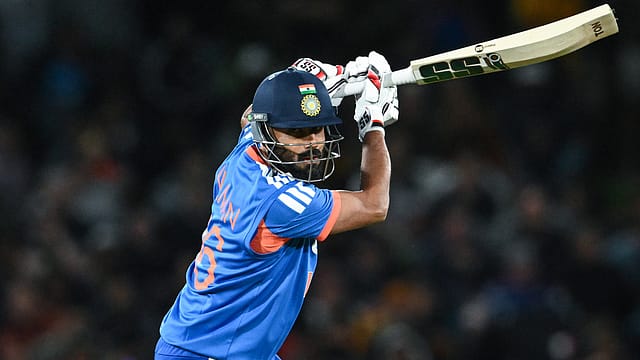
Naman Dhir survived two opportunities before finishing India’s chase in the opening T20I against New Zealand. He benefited from another missed catch in the second match. By the end of the series, he had also given Glenn Phillips and Tim Seifert reprieves that became substantial innings.
The catching failures travelled in both directions. So did their consequences.
India won the first three matches and took the series 3-2. New Zealand’s missed chances helped the visitors through two tight opening chases in Christchurch. India’s lapses subsequently allowed the leading scorers in the hosts’ two victories to extend their innings.
Some opportunities produced only a handful of additional runs. Others preserved a batter during a precarious recovery or gave an opener time to take control. Their significance lay in when they arrived and what followed.

The Era of Forever Wars
30 Oct 2026 - Vol 05 | Issue 44
Coping with an explosive Middle East
Christchurch: Keeping the chase alive
India’s pursuit of 226 in the opener offered New Zealand several opportunities to interrupt a recovery.
At 12.5 overs, Mitchell Santner missed Axar Patel off Lockie Ferguson. Axar was on 13 and finished with 24, adding 11 after the opportunity. India had earlier slipped to 122/4, making his continued presence valuable.
Axar subsequently survived a difficult return chance to Matt Henry at 13.5. That incident yielded only one further run, the single on the delivery itself. Finn Allen then missed Shreyas Iyer off Ferguson at 14.6, preserving an established batter after India had lost their fifth wicket. Iyer eventually made 42.
Naman received two opportunities before completing the chase unbeaten on 42 off 15 balls. At 16.2, Nathan Smith caught his slog sweep but carried the ball over the boundary. Naman was on four before that delivery and scored another 38 from the incident onward.
At 17.6, Ferguson could not hold his edge at short third. Naman was then on 20 and added 22, including the winning six. India won with two balls remaining.
Both incidents preserved the eventual finisher. The figures overlap, however: the 22 runs after the second opportunity are already included in the 38 after the first. Smith’s boundary effort also demanded a different assessment from a straightforward dropped catch.
India had contributed an earlier miss. Abhishek Sharma dropped Daryl Mitchell on 16 off Mayank Yadav at 10.3. Mitchell finished with 28, adding 12. It extended New Zealand’s innings, but India ultimately overcame the target.
Another close finish, another Naman reprieve
The second Christchurch match exposed both teams again.
Iyer dropped Bevon Jacobs on 20 off Prince Yadav at 10.3. Jacobs reached 58, adding 38 and helping New Zealand post 180/5. India eventually won with one ball remaining, a narrow finish that gave Jacobs’ extended innings considerable relevance.
Jacobs then missed two opportunities himself, with sharply different returns.
He lost the flight of a chance offered by Vaibhav Sooryavanshi on one off Michael Bracewell at 5.1. Sooryavanshi finished with four. The escape produced only three additional runs.
Later, Jacobs dropped Naman on nine off Santner at 12.1. India were 84/5. A catch would have exposed the remaining batting with 97 still required.
Naman added 22 to finish with 31 before Tilak Varma and Nitish Kumar Reddy completed the chase. His survival sustained a recovery at a point when another wicket would have substantially increased the pressure.
Wellington: The assault preceded the escapes
Abhishek’s Wellington innings illustrated why a missed chance must be placed within the match.
Santner missed him on 92 off Matthew Fisher. Abhishek finished with 113, adding 21. Phillips also got fingertips to an exceptionally difficult diving attempt at 9.5. The ball went for four, and Abhishek was dismissed next delivery.
That second opportunity yielded four runs, already contained within the earlier 21.
India’s extraordinary 118-run powerplay preceded both incidents. The opportunities would have shortened Abhishek’s innings, but his opening assault had already put India firmly in command of the chase.
Auckland: Phillips capitalises, India cannot
India’s miss in Auckland had a much larger return.
Naman gave Phillips a reprieve on 57. Phillips finished with 107, adding 50 as New Zealand amassed 259/7. Bracewell’s 65 also contributed heavily to the total, and India’s batting failure compounded the problem. The dropped catch was a substantial opportunity lost within an 87-run defeat.
New Zealand themselves missed four opportunities during the chase.
Santner’s difficult running attempt allowed Abhishek to advance from eight to 27, an addition of 19. Jacobs’ diving attempt gave Nitish another 17, taking him from four to 21.
Jacobs then missed Naman on 20 at 10.5. The ball went for six; Naman finished with 28, adding eight. Matthew Fisher’s spill off Santner at 14.3 allowed Prince Yadav to progress from five to an unbeaten 18.
Those escapes prolonged Indian innings without producing a competitive chase. India finished on 172/9.
Hamilton: The most expensive early escape
New Zealand continued to offer opportunities in the finale.
Allen’s unsuccessful boundary catch at 6.1 allowed Ishan Kishan to extend his innings from 30 to 61. Blair Tickner dropped Iyer on 40; he finished with 50. Adam Milne dropped Naman on 14; he reached 33.
Those incidents produced additions of 31, 10 and 19 respectively. New Zealand nevertheless restricted India to 191/8.
India’s missed opportunity came early in the reply. At 3.3, Seifert top-edged Arshdeep Singh towards deep third. Naman put him down on 13.
A catch would have left New Zealand 17/2. Seifert instead took a single and hit a six two deliveries later. Having managed just 36 runs across his previous four innings, he went on to make 93 off 50 balls, with 11 fours and five sixes.
He scored 80 runs from the missed chance onward, including the single on that delivery. His innings became the central contribution to a seven-wicket victory.
The series offers no reliable equation between a dropped catch and a match lost. A replacement batter might have scored too. Several opportunities required difficult running or diving efforts, while boundary catches presented their own challenges.
The individual consequences are clearer. New Zealand repeatedly preserved Indian batters during two close chases. India later allowed Phillips and Seifert to extend innings that drove the hosts’ victories.
India took the series. Both teams finished with catching failures to examine.