We See What We Hear
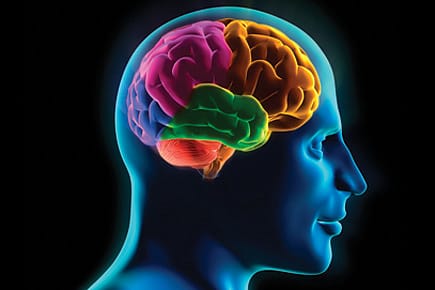
The findings will improve hearing aids and help brain injury victims
It is known that about 2 per cent of the human population has synesthesia, in which two different sensations (like colour and sound) are experienced as one. Although this condition is rare, new findings suggest the brain is wired in overlapping ways to help people understand their environment. The research was presented at the annual meeting of the Society for Neuroscience.
We now also know the brain region responsible for the McGurk Effect, in which viewing lips moving out of sync with words creates the perception of other words. It is also known that exposure to light for only a fraction of a second alters the perceived source of a subsequent sound. The biggest applications of all these finding is not just a better understanding of the human brain, but also the development of better hearing aids and rehabilitation from brain injury. In people with synesthesia, for example, scientists found the brain’s colour-processing area was active 5 to 10 milliseconds after the visual processing areas, suggesting synesthesia occurs through direct communication between the senses.
“While synesthesia reflects an extreme manner in which the senses communicate, there’s evidence that synesthesia operates through mechanisms present in all …” says Vilayanur Ramachandran of the University of California, an expert on visual perception and behavioural neurology.