The Lie You Told May Actually be True
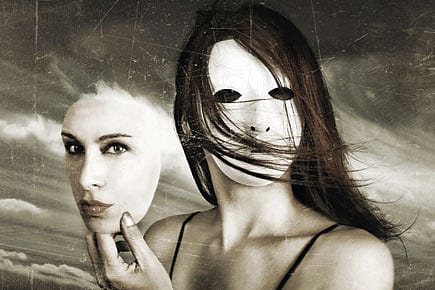
A philosophy expert says that there is far less real lying in society than we might think.
A Washington and Lee University philosophy professor who wrote the definition of lying for the Stanford Encyclopedia of Philosophy says that, strictly speaking, there is far less real lying in society than we might think. James E Mahon describes his definition of a lie this way: “Certain conditions have to be in place for a statement to rise to the level of a lie. First, a person must make a statement and must believe that the statement is false. Second, the person making the statement must intend for the audience to believe that the statement is true. Anything else falls outside the definition of lying that I have defended.” That is: if a person believes that what he or she is saying is true — even if it can be shown to be false — then the person is not lying. But, says Mahon:“If you believe that the statement you’re making is false, even when it isn’t actually false, but you try to get others to believe it’s true, then you have told a lie by my definition.” In Mahon’s view, the vast majority of lies are told for self-interested reasons — saving face or self-protection.