EV Insurance Boom in India: Why Car Owners Are Switching to Digital Motor Policies
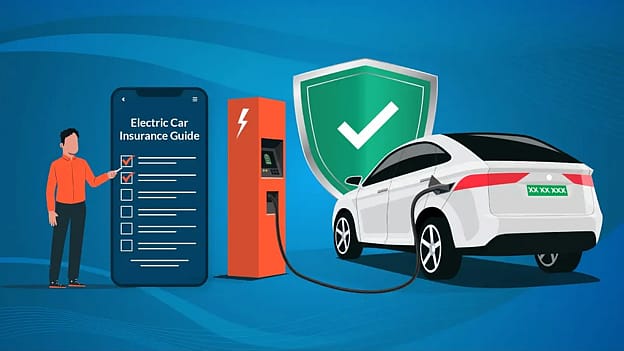
India's electric vehicle revolution is well underway. From the bustling streets of Bengaluru to the highways of Gujarat, EVs are becoming an increasingly common sight. But alongside this transportation shift, another quieter transformation is unfolding — the way Indians buy car insurance. EV owners are leading a migration from traditional, agent-driven insurance purchases to fully digital motor policies, and the numbers tell a compelling story.
The EV Insurance Surge: What the Numbers Show
Electric vehicle insurance in India has seen phenomenal growth, with policies surging by more than 670 percent in recent years as the country's electric mobility boom extends beyond mere vehicle sales into ancillary services like insurance and financing. This explosive growth reflects not just the rising number of EVs on Indian roads, but also a fundamental shift in how this tech-savvy, digitally inclined segment of car buyers approaches insurance.
Tier 2 and Tier 3 cities are driving a significant portion of this growth, challenging the conventional wisdom that digital insurance adoption is primarily an urban metro phenomenon. Cities like Coimbatore, Indore, Surat, and Kochi are emerging as hotspots for digital EV insurance purchases, powered by improving smartphone penetration and the availability of vernacular-language insurance platforms.
Why EV Owners Prefer Digital Policies
The profile of the average EV buyer in India is distinct. They tend to be younger, more tech-comfortable, and more research-oriented in their purchase decisions. Having already undertaken significant due diligence before buying an EV — comparing range, battery warranty, charging infrastructure availability, and total cost of ownership — they bring the same thoroughness to their insurance decisions.
Digital motor insurance platforms offer exactly what this buyer wants: transparency, customisation, and convenience. Online car insurance portals allow EV owners to compare multiple policies side by side, view exact premium breakdowns, understand add-on options, and complete the purchase in minutes — without waiting for an agent's call or visiting a branch office. This level of autonomy aligns perfectly with the self-directed purchasing culture of EV buyers.
The Unique Insurance Needs of EV Owners
Insuring an electric vehicle is not the same as insuring a conventional petrol or diesel car, and digital platforms have been faster than traditional channels to address these differences. EVs have specific risks and cost structures that require tailored coverage.
The battery is the most expensive single component in an EV, often representing a large fraction of the vehicle's total value. Battery damage due to deep discharge, water ingress, or thermal runaway can result in replacement costs running into several lakhs. Standard motor insurance policies may not cover battery-specific damage, making it essential for EV owners to seek out policies that explicitly include battery coverage or offer it as an add-on.
Additionally, EVs are more expensive to repair than comparable ICE vehicles because their components — particularly in the drivetrain and electronics — require specialised knowledge and equipment. This higher repair cost is reflected in somewhat elevated Own Damage premiums, which EV owners need to factor into their budget.
Digital vs Traditional: The Insurance Experience Gap
Ask any EV owner who has bought car insurance both online and through a traditional agent, and you will find a consistent preference for the digital route. The reasons are practical. Digital platforms provide instant policy documents, 24/7 access to policy details and claim status, and the ability to make changes — such as adding or removing add-ons at renewal — without human intermediaries.
The claim process has also been significantly digitised. Several leading insurers now offer video-based survey for minor damage claims, eliminating the need for a physical surveyor visit. For EV owners who tend to have newer, higher-value vehicles, the speed and transparency of digital claim processing is a major quality-of-life improvement over traditional insurance workflows.
Key Add-Ons EV Owners Should Consider
When purchasing digital motor insurance for an electric vehicle, several add-ons deserve serious consideration. Zero Depreciation cover is particularly valuable for EVs given their expensive components — without it, depreciation deductions at claim time can significantly reduce your payout. Roadside Assistance with specific EV provisions (such as towing to a charging point or emergency mobile charging) is another worthwhile addition.
Return to Invoice coverage, which pays the full invoice price of the vehicle in a total loss scenario rather than the depreciated IDV, can be an excellent safety net given the high upfront cost of EVs. Some insurers also offer consumables cover, which can offset the cost of replacing parts like tyres, brake pads, and air filters that are not covered under standard OD policies.
Regulatory Support Driving Digital Adoption
IRDAI has been actively creating an enabling environment for digital insurance distribution. Reforms including the streamlining of the e-KYC process, recognition of digital signatures on policy documents, and the promotion of InsurTech companies through the regulatory sandbox have all contributed to making online car insurance a mainstream choice rather than a niche option.
The motor insurance segment has also benefited from IRDAI's push for standardisation in policy wordings and coverage terms, which makes it easier for consumers to make like-for-like comparisons across digital platforms. When policy language is uniform, the price and add-on comparison becomes the primary differentiator — and that is where digital platforms genuinely excel.
The Road Ahead for EV Insurance in India
As India's EV fleet continues to expand, the insurance industry is investing heavily in building capabilities specific to electric vehicles. Telematics-based insurance products — where premiums are calculated based on actual driving behaviour rather than broad risk categories — are particularly well-suited to EV owners, whose vehicles already have sophisticated data collection built in.
Insurers are also beginning to develop usage-based motor insurance products that align with the driving patterns of urban EV owners who may use their vehicles for shorter, more predictable commutes. Pay-as-you-drive and pay-how-you-drive products offer the potential for significant premium savings for low-mileage, safe-driving EV owners.
Conclusion
The convergence of India's EV boom and the digitisation of the insurance industry is creating a new era of motor insurance. EV owners, armed with digital tools and a desire for transparent, customised coverage, are setting the benchmark for what car insurance buying should look like. For those still on the fence about switching to digital motor policies, the experience of India's rapidly growing EV community offers a persuasive case: greater choice, greater transparency, and a far more satisfying customer experience.