Why Gen Z is obsessed with lip balms and lip oil sticks: Do they really work?
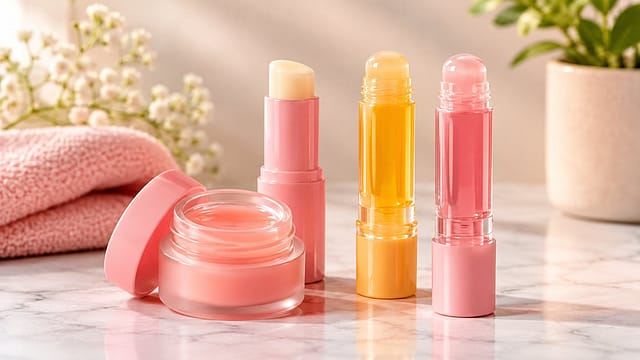
A lip balm was once the sort of product people remembered only when their lips started cracking. Now, it has become something to collect, display, compare and carry in multiple shades. From glossy lip oil sticks to peptide-infused treatments and tinted balms, the humble lip-care aisle is having a moment. And Gen Z is helping drive it.
Scroll through social media and products from brands such as Rhode, Laneige, Summer Fridays, e.l.f. and Fenty Beauty are hard to miss. In India, homegrown names such as Inde Wild, Dot & Key, Nykaa and Praush, alongside established brands such as Lakmé, are also part of the expanding lip-care conversation.

The Era of Forever Wars
30 Oct 2026 - Vol 05 | Issue 44
Coping with an explosive Middle East
Why are lip balms and lip oils suddenly everywhere?
The biggest change is that lip care is no longer being sold simply as a remedy for dryness. It is increasingly positioned as a combination of skincare and makeup. A tinted balm adds colour, a lip oil delivers shine, and a peptide treatment promises a more intensive care routine. One product can now serve several purposes.
Social media has amplified the appeal. The packaging is often designed to be camera-friendly, the textures and finishes are easy to demonstrate in short videos, and new flavours, shades and limited-edition launches encourage repeat discovery. A lip product is also a relatively accessible way to try a premium beauty brand without committing to an expensive skincare routine.
A 2026 Myntra report on Gen Z beauty consumption points to the influence of creators, ingredient-led discovery and premium products in smaller formats. It also found that Gen Z shoppers are increasingly looking beyond major metros. The appeal, therefore, is not just about a celebrity endorsing a product; younger consumers are also paying attention to ingredients, convenience and the experience of using it.
What is the difference between a lip balm and a lip oil stick?
A traditional lip balm is primarily designed to soften lips and reduce moisture loss. Depending on its formulation, it may contain ingredients such as petroleum jelly, shea butter, mineral oil, waxes or ceramides.
Lip oils, on the other hand, are generally lighter, glossier formulations that use oils and emollients to soften the surface of the lips while creating a shiny finish. A lip oil stick combines the convenience of a solid stick with the appearance and feel associated with oil-based products. Tinted versions also offer a subtle wash of colour.
Do these products actually help?
Yes, but their benefits depend on the formulation. Dermatologists recommend lip products containing ingredients such as petroleum jelly, mineral oil, dimethicone, shea butter and ceramides to help protect and soothe dry lips. Humectants such as hyaluronic acid can attract water, while emollients soften the skin. Occlusive ingredients help reduce moisture loss.
The American Academy of Dermatology recommends using non-irritating lip moisturisers regularly and choosing SPF 30 or higher for sun protection outdoors. It also advises avoiding products that cause burning or stinging. Fragrances, menthol, camphor and certain flavourings can irritate already-chapped lips.
But a glossy finish is not proof of long-lasting hydration. Nor should a lip oil be assumed to repair severely cracked lips or permanently make them fuller. Some plumping products create a temporary fuller appearance, often through ingredients that produce a tingling sensation. For persistent dryness or irritation, a dermatologist is a better option than repeatedly switching products.
How big is the global lip-care business?
The popularity is reflected in market estimates. Grand View Research values the global lip-care products market at $4.1 billion in 2025, projecting it to reach $4.3 billion in 2026 and $6.1 billion by 2033. Asia-Pacific accounted for 39.1 per cent of global revenue in 2025. In India, the market was estimated at $165.1 million in 2025 and is projected to reach $179.3 million in 2026.
The category is also attracting attention from the wider beauty industry. Circana reported that lip products, including oils and balms, helped drive growth in US prestige makeup in 2025. However, the boom may be settling into a more competitive phase: The Business of Fashion reported that prestige lip sales in the US rose just 1 per cent year-on-year in the first quarter of 2026.
The takeaway? Lip balms and oil sticks are not merely another passing beauty fad. They offer genuine everyday benefits when formulated well, while also delivering colour, shine and convenience. The trick is to buy for what your lips need, not just because a product is trending on your feed.